190+ Years of Innovation and Excellence

Our Story
Founded in 1833, Stephens College is proud to be the second-oldest women’s college in the country and the first institution of higher education in Columbia, Missouri.
From the beginning, Stephens has developed a tradition of cutting-edge educational programs that provide young women with classroom and experiential learning opportunities like no other institution in higher education.
Stephens believes in the power of education to change lives. Alongside our world-class women’s undergraduate programs, we offer an intensive all-gender undergraduate Conservatory for the Performing Arts, all-gender graduate programs, as well as a children’s school and youth programs that celebrate and encourage lifelong learning.
Our mission is to Learn. Grow. Lead.
Our HiStory
1833 Columbia Female Academy opens under the helm of Lucy H. Wales.
1855 The Academy closes; trustees quickly establish its successor, the Columbia Female Baptist Academy.
1870 James L. Stephens endows the College with $20,000 and the institution is renamed in his honor.
1912 James Madison Wood becomes the president of Stephens College.
1921 Jessie Burrall brings the Burrall Bible Class to Stephens. It becomes so popular, thousands of students from both Stephens and the University of Missouri attend.
1921 The Ten Ideals are born, 10 values to which Stephens women pledge to adhere.
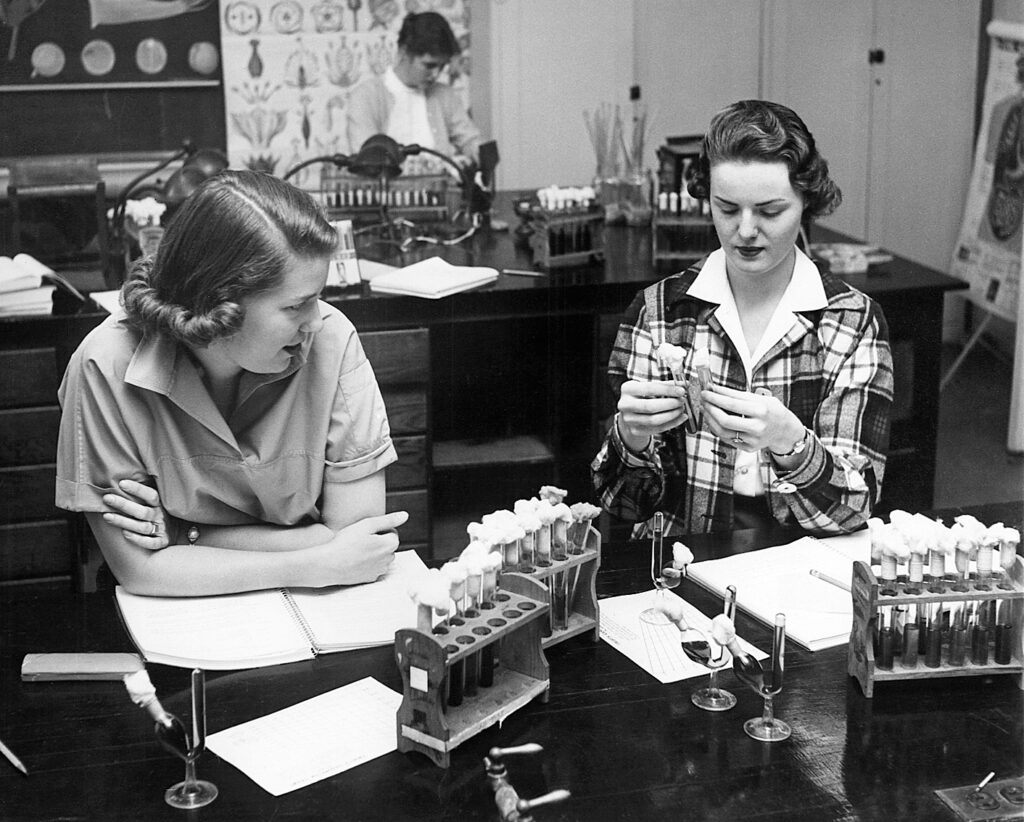
1923 Science Hall — now Hickman Hall — opens.
1925 Stephens College opens a children’s school on campus, serving both education majors and community school children.
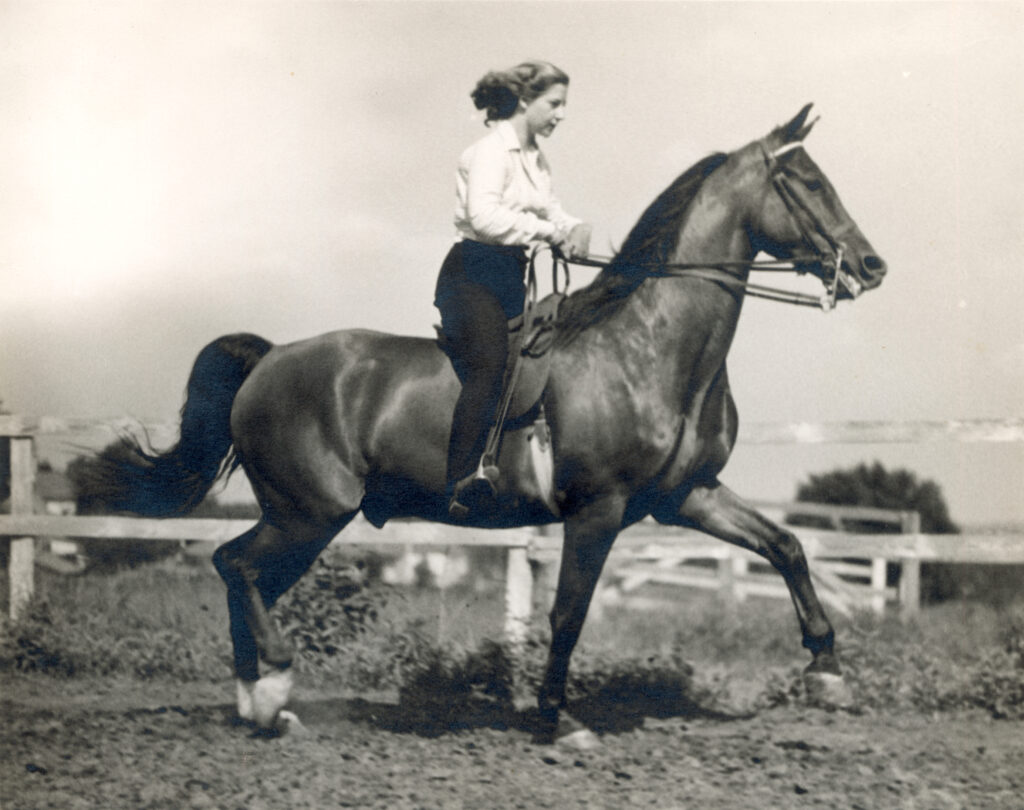
1926 The Prince of Wales riding club, the country’s oldest continuously active riding club, forms on campus.
1933 Campus celebrates the 100th anniversary of Stephens College.
1944 Stephens introduces the first aviation program for women.
1960 Stephens begins an innovative new honors house plan.
1970 Stephens debuts Stephens Without Walls (now the Graduate, Online and Certificate Programs).
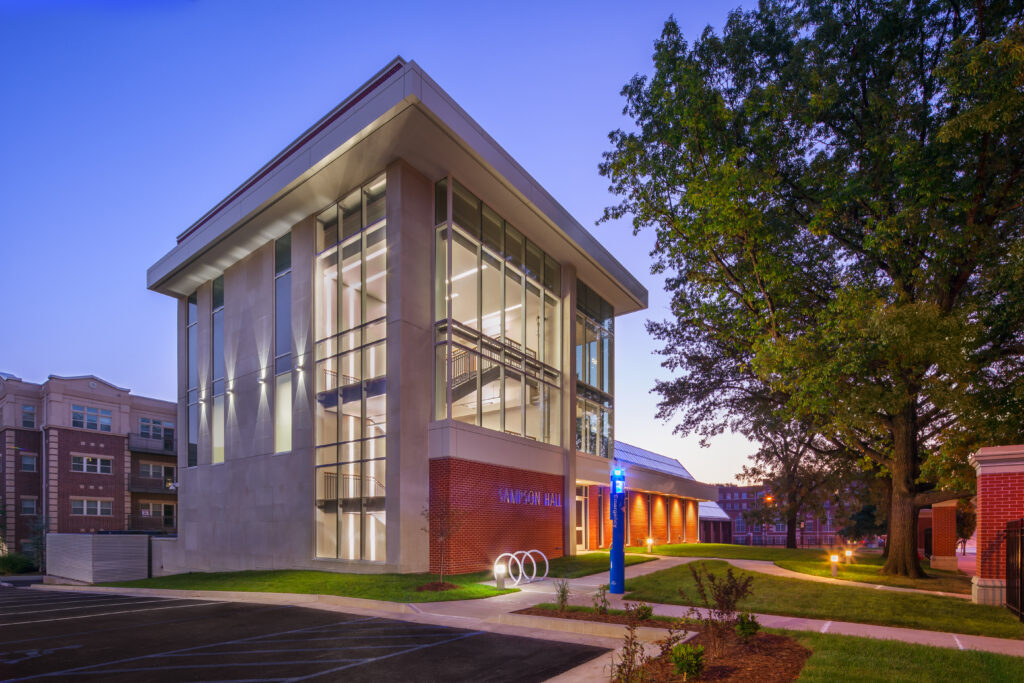
1983 Patsy Sampson becomes first female president of Stephens College.
1998 Carl Stephens Otto retires from the Board of Trustees. He is the fifth and last generation of the Stephens family to serve the College.
2004 Stephens becomes a pet-friendly campus and later earns the title of the pet-friendliest college.
2006 Citizen Jane Film Festival begins at Stephens College. The festival grew from the Citizen Jane Film Lecture Series, which brings working film industry professionals to campus to share insights and experiences.
2009 Dr. Dianne Lynch becomes the 24th president of the College.
2014
- Stephens receives a $15 million unrestricted gift, the largest in the College’s history.
- The College unveils a new brand and motto, “dream up.” A new Stars logo is unveiled for the Stephens Athletics teams.
- Stephens adds two new graduate programs: a Master of Physician Assistant Studies and a low-residency Master of Fine Arts in TV and Screenwriting, with 10 days of intensive on-site classes each semester at Jim Henson Studios in L.A.
2015
- Stephens students are required to complete the College-to-Career Program (run by the Center for Career and Professional Development), which is designed to ensure that every student graduates with the professional skills, poise and confidence needed to succeed in life.
- The School of Design becomes an official member of the Council of Fashion Designers of America. A new School of Health Sciences is announced.
2016
- The new Center for Health Sciences opens its doors. The Master in Physician Assistant Studies program, which makes its home in the Center, welcomes it first cohort. The College announces a $1 million gift in support of the program.
- The College receives a $1 million gift from fashion designer and alumna Jeannene Booher and introduces the Jeannene Booher Fashion Lecture Series.
2017
- After a yearlong process that included all members of the Stephens community, the College issues a revised mission statement: Learn. Grow. Lead. The College also approves a new strategic plan.
- Stephens becomes the first women’s college to announce a varsity esports team and begins competition in Fall 2017.
2018
- The Stephens Solution College Affordability Plan reduces tuition by $8,250 (Fall ’19). Made possible by a strategic combination of donor support and financial planning, the plan addresses families’ concerns about college affordability even while maintaining the exceptional academic programs that are the hallmark of a Stephens education.
- Stephens celebrates 185 years of dreaming up.
2019
- The National Association of Intercollegiate Athletics (NAIA) names Stephens College a Champions of Character Five-Star Institution for the 10th straight year (2018-19).
- The Alpha Chapter of Phi Theta Kappa (PTK), the international honor society of two-year colleges and academic programs, returns to the Stephens campus. The College offers scholarships for PTK members.
- The charter class of the Stephens College Master in Physician Assistant Studies program achieves a 100% first-time pass rate on the Physician Assistant National Certifying Examination (PANCE).
- Weaver Commons opens on the Okoboji Summer Theatre campus complete with a modernized kitchen, more rehearsal room and green space as part of a multi-year renovation plan that also includes new cottage-style housing.

2020
- Stephens launches a 100% online Master of Science in Health Information Management, one of just a handful of programs of its kind in the country.
- Stephens announces its partnership with Boone Health to develop a Bachelor of Science in Nursing.
2022
- Stephens launches the Conservatory for the Performing Arts, offering intensive BFA programs that welcome all gender identities.
2025
- Dr. Shannon B. Lundeen is appointed the 25th president of Stephens College
An In-depth Look at Our History
If you’d like to delve deeper into the history of Stephens, we invite you to enjoy our A Look Back blog. Read about the lives of Stephens women as we walk you through the highlights of old yearbooks.
Archives
On Aug. 15, 2020, Stephens College dedicated its archives in the name of Dr. Alan R. Havig in recognition of his deep commitment and extraordinary contributions to the College. Dr. Havig taught history and social sciences for over 40 years, and upon his retirement in 2005, he volunteered countless hours as the College archivist.
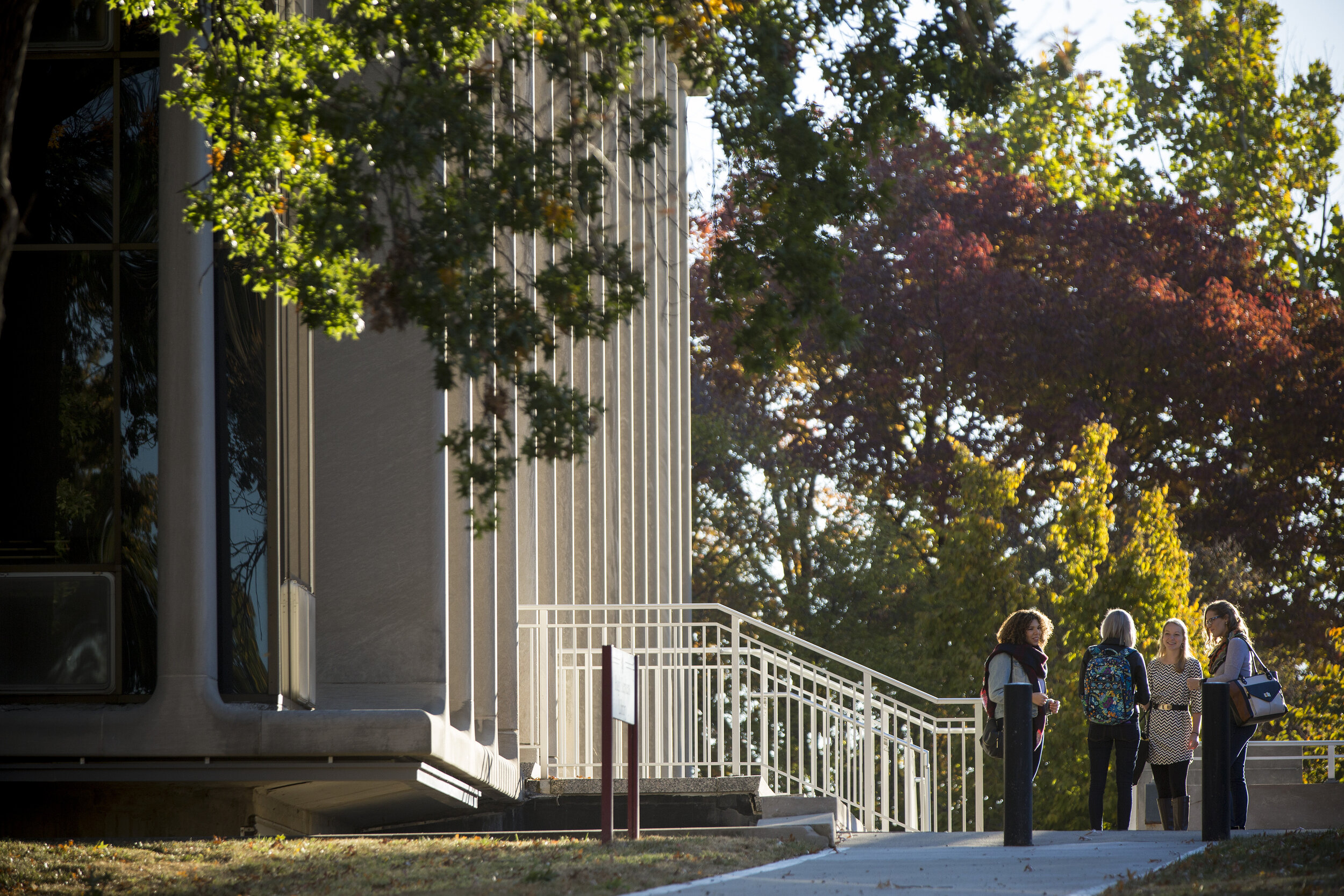
The Dr. Alan R. Havig Archives are now housed in the Hugh Stephens Library allowing easier access to this wealth of resources.
Contact Us
Hugh Stephens Library and Dr. Alan R. Havig Archives
Dan Kammer, Director
(573) 441-5131
archives@stephens.edu