Spring Research Conference 2026
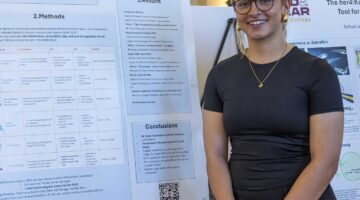
Stephens College’s Spring Research Conference celebrates scholarly inquiry and collaborative discovery across disciplines.
Held on April 16, 2026, in Columbia, Missouri, the conference brings together students, faculty, and invited scholars to showcase innovative research and creative work that address pressing questions in science, health, and leadership.
Guided by this year’s theme, Leadership & Discovery: Science & Health for the Future, the conference highlights the transformative role of research in advancing knowledge, informing practice, and shaping inclusive, evidence-based solutions. Through the keynote addresses from distinguished scholars and student poster sessions, attendees will engage in meaningful dialogue, explore emerging ideas, and celebrate the impact of research at Stephens College and beyond.
The Spring Research Conference reflects Stephens College’s commitment to academic excellence, mentorship, and the integration of research into education, fostering a vibrant community of inquiry and innovation.
Keynote Speakers

Rosemary Morgan, PhD, MSc
Johns Hopkins Bloomberg School of Public Health
Dr. Morgan is an Associate Professor at Johns Hopkins Bloomberg School of Public Health (JHSPH) in the Department of International Health. Dr. Morgan co-directs the Gender and Health Summer Institute and Coordinates the Gender and Health Certificate at JHSPH. She is recognized as a specialist in gender analysis in health and health systems research, interventions, and programs and leads projects focusing on gender responsive monitoring and evaluation and women’s leadership. She has published over 100 journal articles and is Chief Editor of the book: Women Leaders in Global Health: Power and Transformation, published in 2022 by Springer.
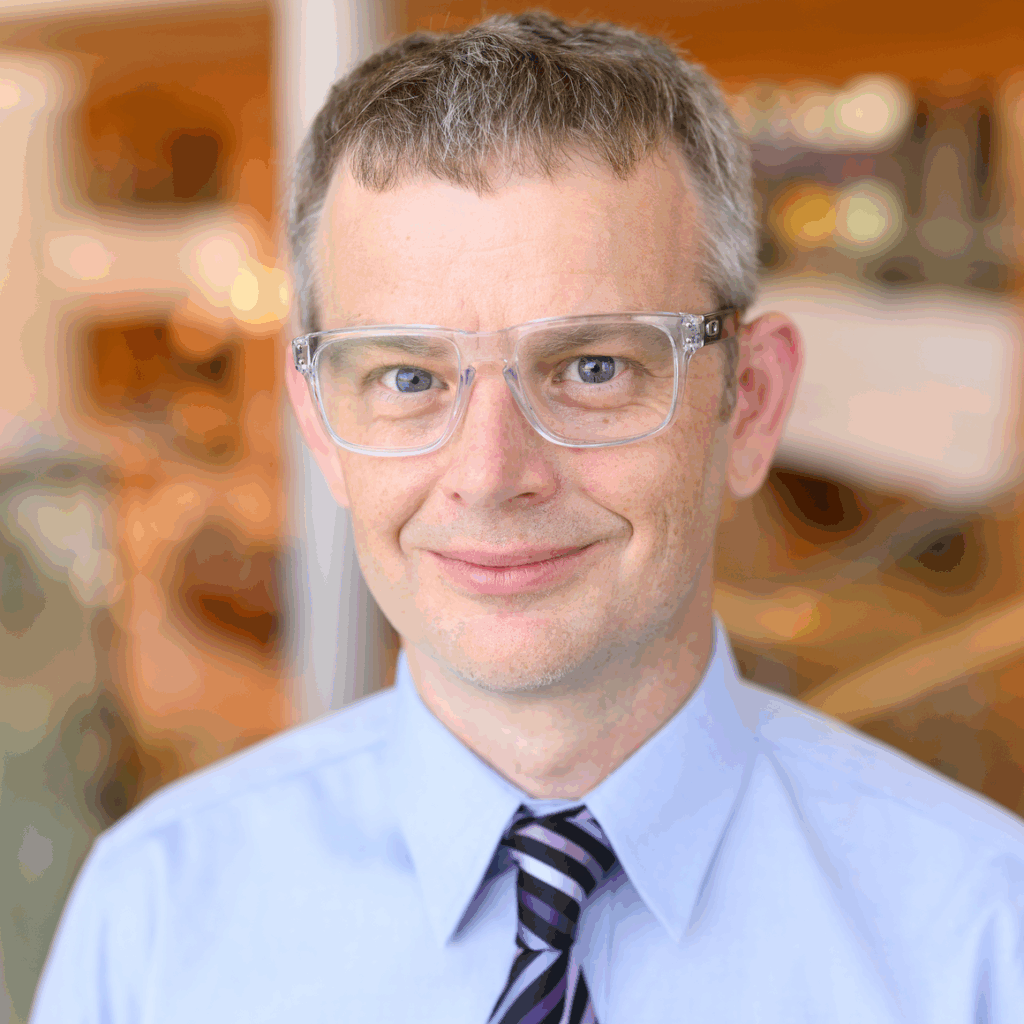
Kenneth S. Campbell, PhD
University of Kentucky
Dr. Campbell grew up in Scotland and completed his undergraduate degree (in Physics) and PhD (in Sports Science) at the Universities of Oxford and Birmingham in England. He moved to the US for a postdoc position in 1998 and joined the University of Kentucky as an Assistant Professor in 2004. Dr. Campbell currently serves as Director of Translational Research for the Division of Cardiovascular Medicine where he works with leadership to lower the energy barriers that can prevent busy physicians from performing meaningful research.
Dr. Campbell’s own research focuses on cardiac contractility and heart failure. Much of the work uses samples of human myocardium that have been gifted by organ donors and patients undergoing cardiac surgery. In addition to performing biochemical and biophysical experiments, Dr. Campbell’s research team develops computer models of the heart that grow and evolve in response to genetic and hemodynamic perturbations. The long term goal is to use these computer models to help optimize therapies for patients who have heart failure.
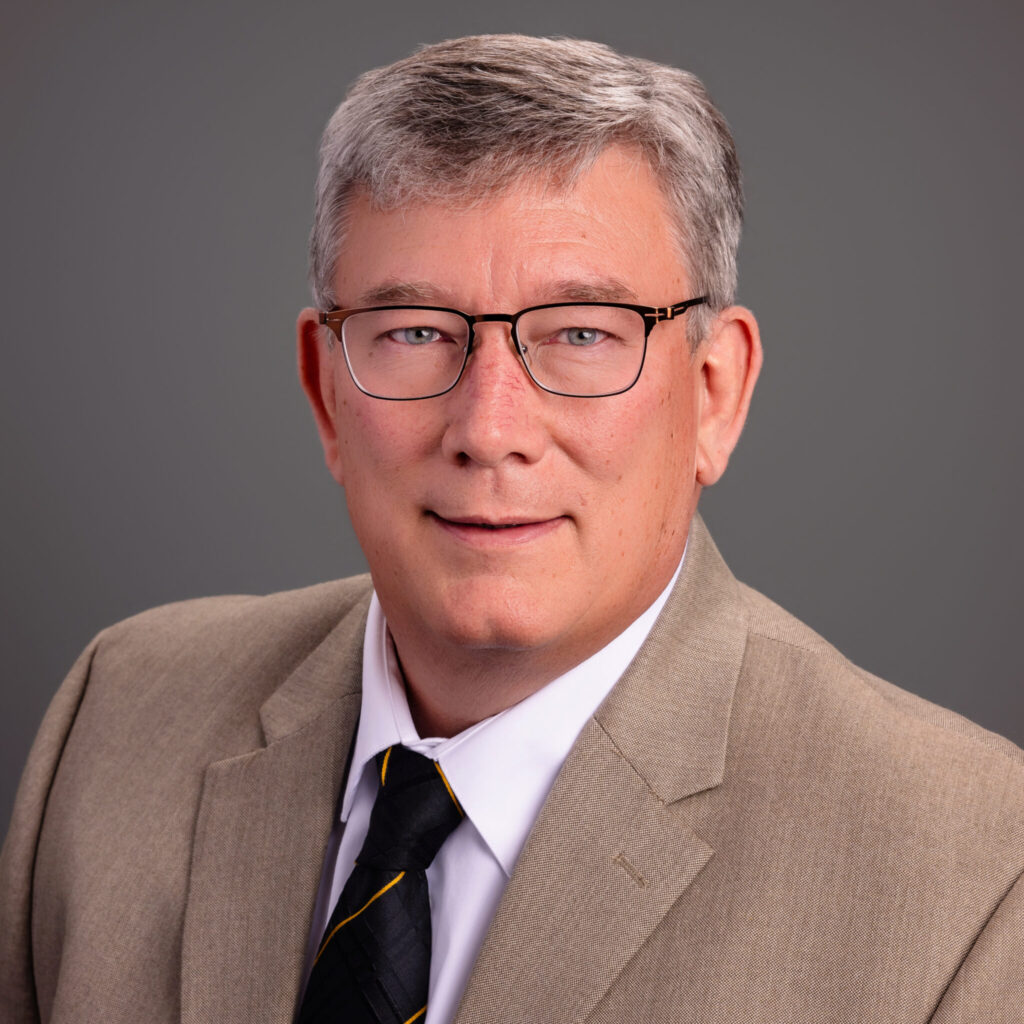
Stevan P. Whitt, MD
MU Health
Dr. Whitt serves as chief medical officer of University of Missouri Health Care, senior associate dean for clinical affairs at the MU School of Medicine, and a professor of medicine specializing in critical care and infectious diseases. As a senior member of both organizations, Dr. Whitt provides physician leadership to ensure excellence in patient care across MU School of Medicine and Health Care facilities.
Dr. Whitt has held numerous prior leadership roles within MU’s academic and clinical operations, including: medical director of MU Health Care’s medical and neuroscience intensive care units; associate program director for Internal Medicine; program director for the Pulmonary, Critical Care and Environmental Medicine division; chief of staff at MU; vice chair for clinical affairs in Medicine; chief of operations and chief clinical officer of MU Health Care.
A lifelong member of the MU academic medical community, Dr. Whitt earned his medical degree from MU in 1994, followed by residency training in internal medicine and fellowships in infectious diseases and critical care medicine, all at the MU School of Medicine. He is board-certified in internal medicine, critical care medicine, infectious diseases, and neurocritical care medicine.
When not serving patients, faculty and staff, Dr. Whitt enjoys spending time with his wife, children and grandchildren, hunting, woodworking, and playing guitar.
Submission Guidelines & Instructions
Thank you for your interest in presenting at the Spring Research Conference, hosted by the School of Health Sciences. Please see this information below for eligibility and submission requirements.
Important Deadlines:
- Abstract Submission Deadline: Friday, March 20th by 12:00 p.m.
- Poster Submission Deadline: Wednesday, April 1st by 3:00 p.m.
Questions? Contact Dr. Hilary Wilson (hwilson@stephens.edu) or Allison Miller (allmiller@stephens.edu).
Eligibility
All Stephens College students, faculty‑mentored student researchers, and collaborators are invited to submit abstracts representing empirical research, creative scholarship, literature reviews, case studies, community-based projects, or creative works.
Poster Abstract Submission
Poster Abstract Submission Deadline: Friday, March 20th by 12:00 p.m.
Abstract Requirements:
- Font: Times New Roman, 11 pt
- Length: 150–250 words (not including title or authors)
- Title: Bold font, concise and descriptive, sentence case
- Authors: list full names, underline presenting author; If only one author, no underline required
- Affiliation: department/program/school
- Body structure recommended: Background, Methods/Approach, Results/Findings, Conclusion/Significance
- Style: clear, professional language; no citations, figures, or tables
Abstract Submission:
- Submit as a PDF file
- File name: LastName_ Abstract_SRC_2026
Sample Abstracts:
Exploring Green Catalysts: Assessing Biopolymer‑Based Catalysts for Sustainable Organic Synthesis
Jordan Lee, Anna Martinez
School of Health Sciences, Stephens College
Abstract. The search for sustainable alternatives to conventional metal‑based catalysts has become increasingly important in modern organic synthesis. This project examines the catalytic efficiency of biodegradable biopolymer‑based catalysts derived from chitosan and cellulose. Catalyst samples were prepared through acid modification and characterized using FTIR and thermogravimetric analysis. Reaction trials were conducted at room temperature, and product formation was quantified using gas chromatography. Preliminary findings indicate that chitosan‑based catalysts produced yields comparable to traditional acid catalysts while requiring significantly lower reaction temperatures. These results suggest that biopolymer‑derived catalysts present a promising, environmentally friendly option for undergraduate laboratory use and broader green chemistry applications.
Review of Mass Drug Administration for Malaria and Its Operational Challenges
Gretchen Newby, Jimee Hwang,* Kadiatou Koita, Ingrid Chen, Brian Greenwood, Lorenz von Seidlein, G. Dennis Shanks, Laurence Slutsker, S. Patrick Kachur, Jennifer Wegbreit, Matthew M. Ippolito, Eugenie Poirot, and Roly Gosling
The Malaria Elimination Initiative, Global Health Group, University of California, San Francisco, California; Malaria Branch and Division of Parasitic Diseases and Malaria, Centers for Disease Control and Prevention, Atlanta, Georgia; London School of Hygiene and Tropical Medicine, London, United Kingdom; Mahidol-Oxford Tropical Medicine Research Unit, Bangkok, Thailand; Australian Army Malaria Institute, Enoggera, Australia; Division of Infectious Diseases, Johns Hopkins University School of Medicine, Baltimore, Maryland
Abstract. Mass drug administration (MDA) was a component of many malaria programs during the eradication era, but later was seldomly deployed due to concerns regarding efficacy and feasibility and fear of accelerating drug resistance. Recently, however, there has been renewed interest in the role of MDA as an elimination tool. Following a 2013 Cochrane Review that focused on the quantitative effects of malaria MDA, we have conducted a systematic, qualitative review of published, unpublished, and gray literature documenting past MDA experiences. We have also consulted with field experts, using their historical experience to provide an informed, contextual perspective on the role of MDA in malaria elimination. Substantial knowledge gaps remain and more research is necessary, particularly on optimal target population size, methods to improve coverage, and primaquine safety. Despite these gaps, MDA has been used successfully to control and eliminate Plasmodium falciparum and P. vivax malaria in the past, and should be considered as part of a comprehensive malaria elimination strategy in specific settings.
Poster Submission
Poster Submission Deadline: Wednesday, April 1st by 3:00 p.m.
Poster Requirements:
- Size: 48” x 36” (landscape)
- Content: Title, authors, and clearly labeled material legible from 2 meters (20–24 pt font or larger)
- Logo: Only SC logo shown on Template
- Formatting: Descriptive title, bold lettering, 1-inch margins, simple fonts, upper/lowercase letters
- Templates & Printing: Check with your school or faculty for templates and printing guidelines
- Poster Display: Materials will be provided on site
Poster Submission:
- Submit as a PDF file
- File Name: SRCPoster_YourLastName
- Pickup: Allison Miller will notify submitters when posters are ready
Human Subjects Review Board Information
If you are completing a research study that requires approval from the Institutional Review Board (IRB) Committee, please visit the Human Subjects Research/Institutional Review Board (IRB) webpage and scroll to the bottom of the page to submit your IRB application.
If you have any questions about the IRB process, email Dr. Haskins at mhaskins@stephens.edu.
Event Schedule
April 16, 2026
| Time & Location | Agenda |
|---|---|
| 7:30 AM – 8:30 AM Kimball Ballroom, LRW | Poster Setup |
| 8:45 AM – 9:00 AM Windsor Auditorium | Opening Remarks: Stephens College President Shannon B. Lundeen, PhD |
| 9:00 AM – 10:00 AM Windsor Auditorium | “Leadership at All Levels: Reimagining Power, Influence, and Impact” Keynote Speaker: Rosemary Morgan, PhD, MSc |
| 10:00 AM – 10:15 AM | Break |
| 10:15 AM – 11:15 AM Windsor Auditorium | “Adventures (and a career) in translational biomedical research” Keynote Speaker: Kenneth S. Campbell, PhD |
| 11:15 AM – 11:30 AM | Break |
| 11:30 AM – 12:15 PM Windsor Auditorium | “Leading Through Innovation and Collaboration” Keynote Speaker: Stevan P. Whitt, MD |
| 12:15 PM – 1:15 PM Stamper Commons | Lunch |
| 1:30 PM – 3:00 PM Kimball Ballroom, LRW | Poster Session |