Conservatory Students Sharpen Their Professional Edge at SPAI This Summer
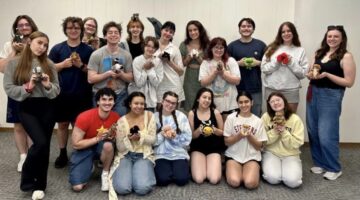
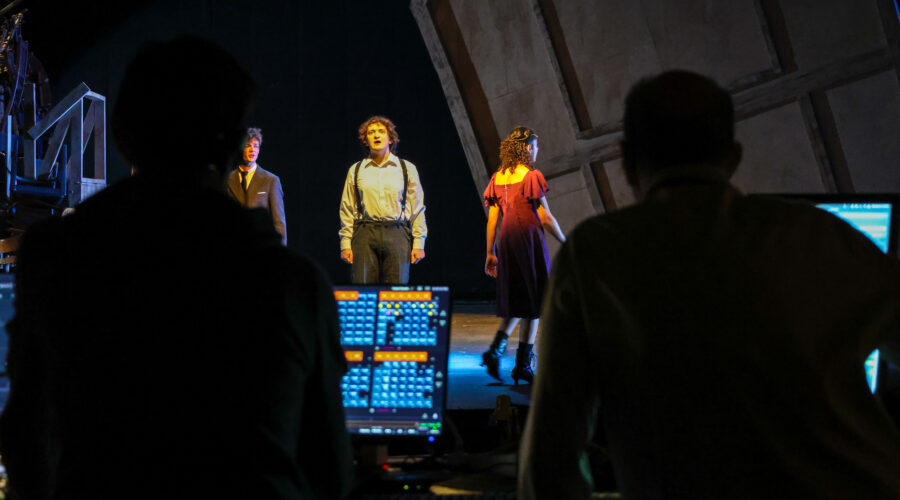
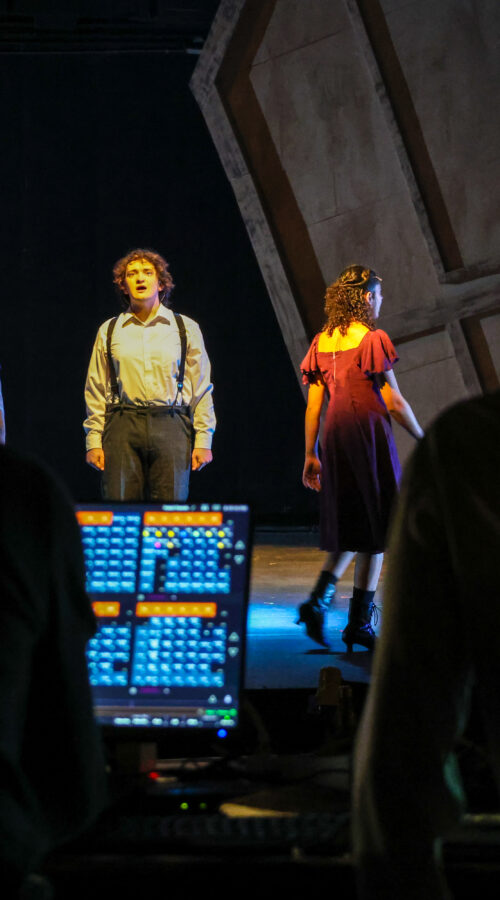
Three weeks into the Summer Performing Arts Intensive (SPAI) program, students in the Stephens College Conservatory are already seeing growth in skills that often do not fit into a traditional semester schedule.
After spending the first half of the program learning accents and dialects, vocal pedagogy and movement for actors, Conservatory students are now preparing to enter the second phase of the intensive program – which will focus on acting for the camera, monologue work and acting through song.
The six-week summer program is designed to provide concentrated training in specialized areas of performance while helping students build the professional habits and technical skills required in today’s entertainment industry.
“Just having time to really focus and buckle down on a few specific concepts is really elevating them for us,” said Rebecca Lambert, a rising second-year acting student. “It feels crazy to say that just these first two weeks has already made such a big difference.”
Building Skills Beyond the Classroom
While conservatory students spend the academic year immersed in coursework focused on acting, singing and dance, SPAI offers an opportunity to dive deeper into subjects that often receive less dedicated attention during a busy semester.
“You get to study some of the little things that you’re not able to get in the main classes,” said Ethan Riley, a first-year musical theater student. “Our main conservatory classes are dance, acting and singing, but this gives us the chance to focus on things like accents, stage movement and how the voice works.”
The intensive format allows students to dedicate several hours each day to a single subject, creating space for both instruction and practical application.
For Lambert, that concentrated approach has accelerated learning and provided a stronger understanding of how specific techniques can support future performances.
“A lot of this is stuff that’s teaching us how to teach ourselves in the future,” she said. “Being able to learn all of this now and then bring it into our classes and productions next year is really valuable.”
Learning From Industry Professionals
A defining feature of the program is the opportunity for students to work directly with faculty members who continue to build careers in the performing arts industry.
One of those instructors is Paula Vanlandingham, who teaches accents and dialects during the first half of SPAI. In addition to her work at Stephens, Vanlandingham has spent 15 years coaching dialects for film, television, stage productions and video games, with credits spanning major networks, streaming platforms and productions within the Star Wars and Indiana Jones franchises.
Vanlandingham said the summer format allows students to tackle material that might otherwise be spread across an entire semester.
“This is a way to cram a lot of content into a short period of time,” she said. “We get to do what would normally be lecture and lab all in one session, giving students plenty of time to practice and apply what they’re learning.”
Students say learning from faculty with extensive professional experience provides valuable insight into the realities of the industry.
“The best part is learning from people who have both worked in the industry professionally and have taken the time to come here and teach you,” Lambert said.
Preparing for a Changing Industry
Faculty members say those specialized skills are becoming increasingly important as expectations within the entertainment industry continue to evolve.
According to Vanlandingham, performers are now expected to arrive at auditions with a wider range of technical skills already in place.
“They really kind of need you to hit the ground running,” she said. “They’re preparing you for professional paid work at a professional level.”
The immersive nature of SPAI mirrors the pace and discipline students can expect after graduation, helping them develop habits that extend beyond the classroom.
Riley said balancing the intensive coursework alongside work and personal responsibilities has already strengthened his approach to time management and professional preparation.
“It’s really gotten me into this work ethic that I really love,” he said. “It’s helping prepare us for what it’s going to be like working every day as a performer.”
As students transition into the second half of the program, they will begin exploring acting for the camera, acting through song and monologue work: experiences designed to broaden their understanding of performance across multiple mediums.
A Community That Grows Together
Beyond the coursework, students and faculty alike point to the conservatory’s close-knit environment as one of its greatest strengths.
Vanlandingham described the program as a small, repertory-style community where students receive individualized attention while building relationships with peers and faculty.
For Riley, that sense of connection has become an important part of the experience.
“We spend so much time together,” he said. “I can truly say that this is probably my family. Nobody is a stranger here.”
As SPAI enters its second half, students will continue building on the skills developed during the first three weeks, carrying new techniques, professional insights and collaborative experiences into the upcoming academic year, and eventually, into their careers beyond Stephens.