From Ancient Sanctuaries to Modern Labs: How Biology Students Explored the Roots of Science in Greece
Textbooks can explain how ancient civilizations laid the groundwork for modern biology, but walking the very grounds where Western medicine began offers an education no lecture hall can replicate.
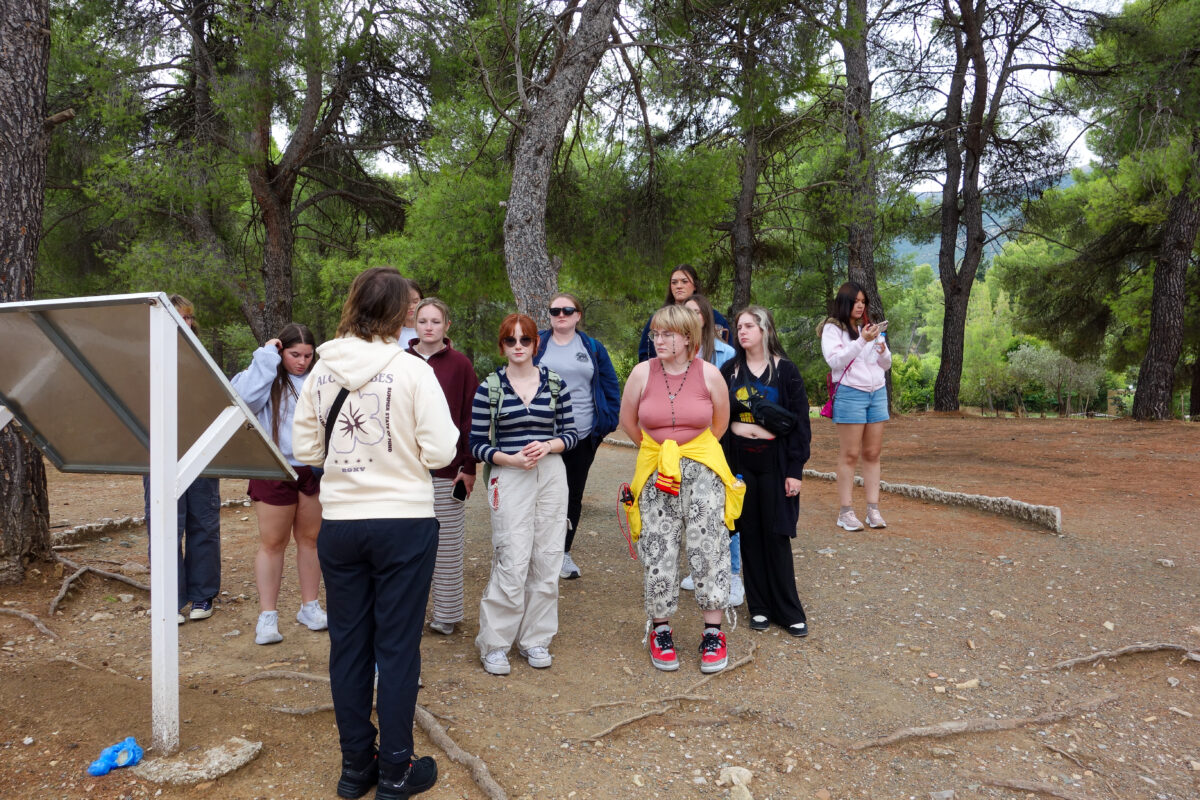
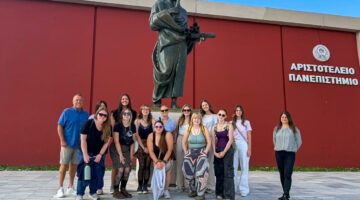
This fall, 12 Stephens College biology and pre-veterinary students traveled across Greece to investigate the historical, philosophical, and cultural roots of scientific thought. Led by Dr. Maria Boftsi, Assistant Professor of Biology, the course took students from the ancient healing temples of the Peloponnese to contemporary agricultural research centers in northern Greece.
Connecting Ancient Philosophy to Modern Biology
The curriculum challenged students to examine how early thinkers sought to understand the natural world, disease, and the human body long before modern technology.
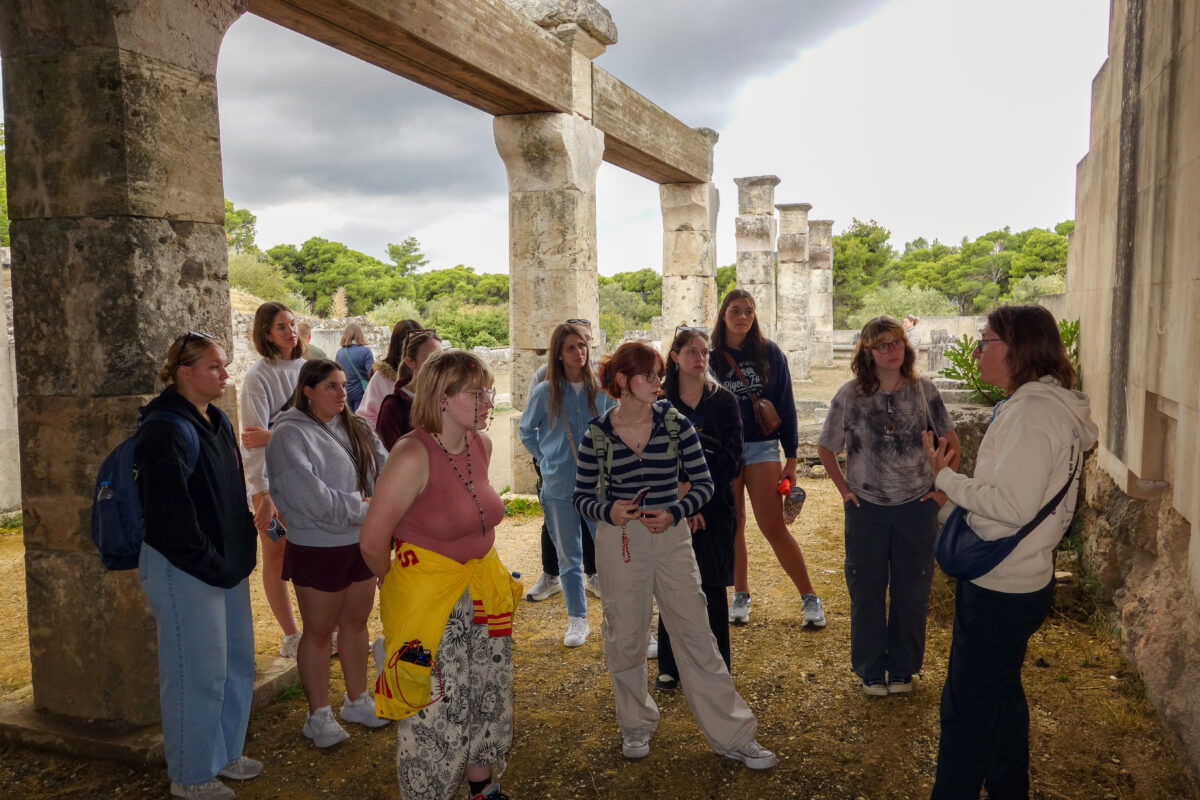
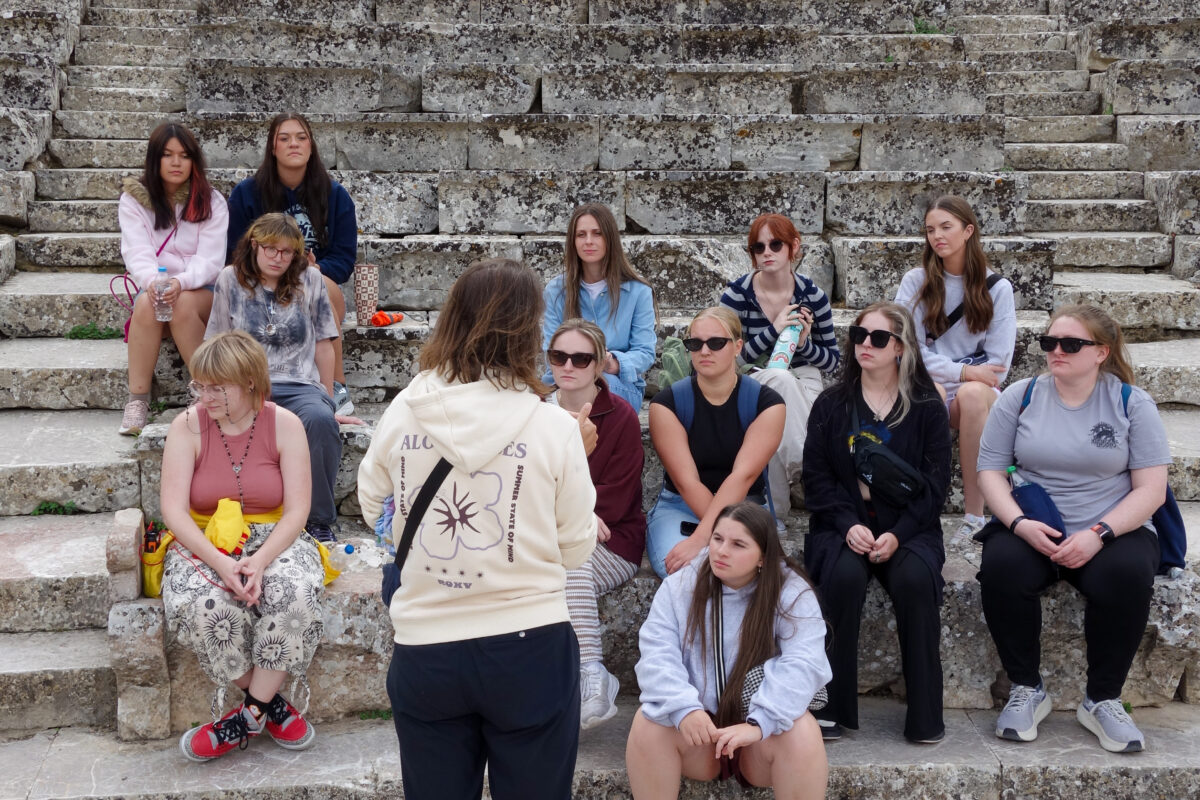
“Students explored biology through the lens of Greek history and philosophy, visited academic institutions, and experienced the country’s culture firsthand,” Dr. Boftsi said. “At Epidaurus, students could explore the historical relationship between healing, religious beliefs, and medical practices. At Delphi, they could reflect on how ancient Greeks sought knowledge and guidance. Science does not exist in isolation; it is shaped by history, philosophy, and culture.”
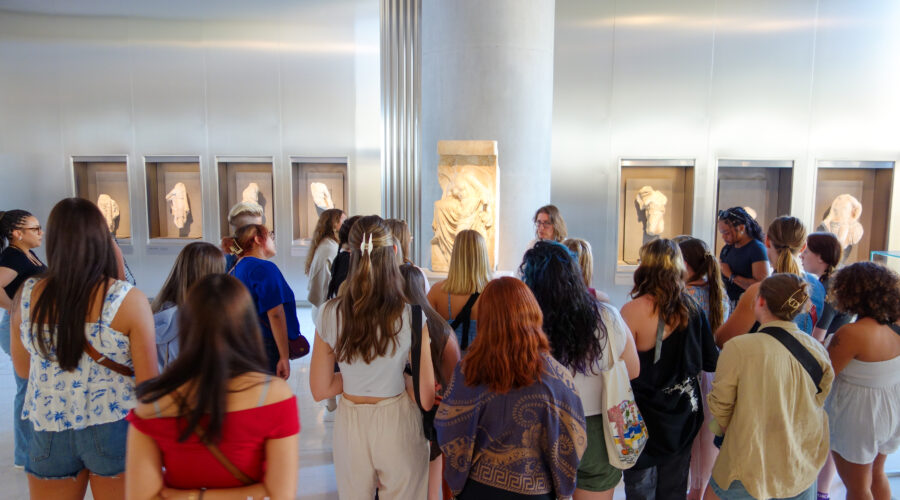
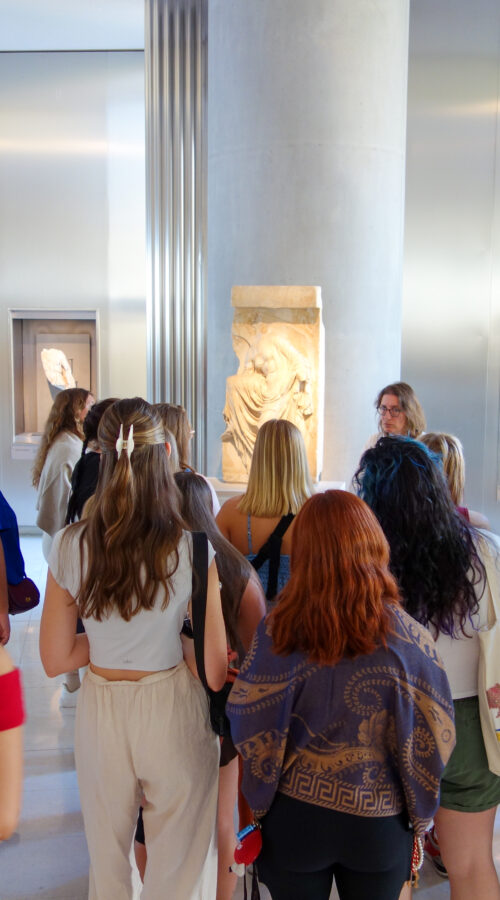
In Athens, the class toured foundational historical collections at the Acropolis Museum and National Archaeological Museum, examining the society in which early scientific concepts took shape. At the Sanctuary of Asclepius in Epidaurus, they studied the transition from mythological explanations of disease toward empirical medical treatments.
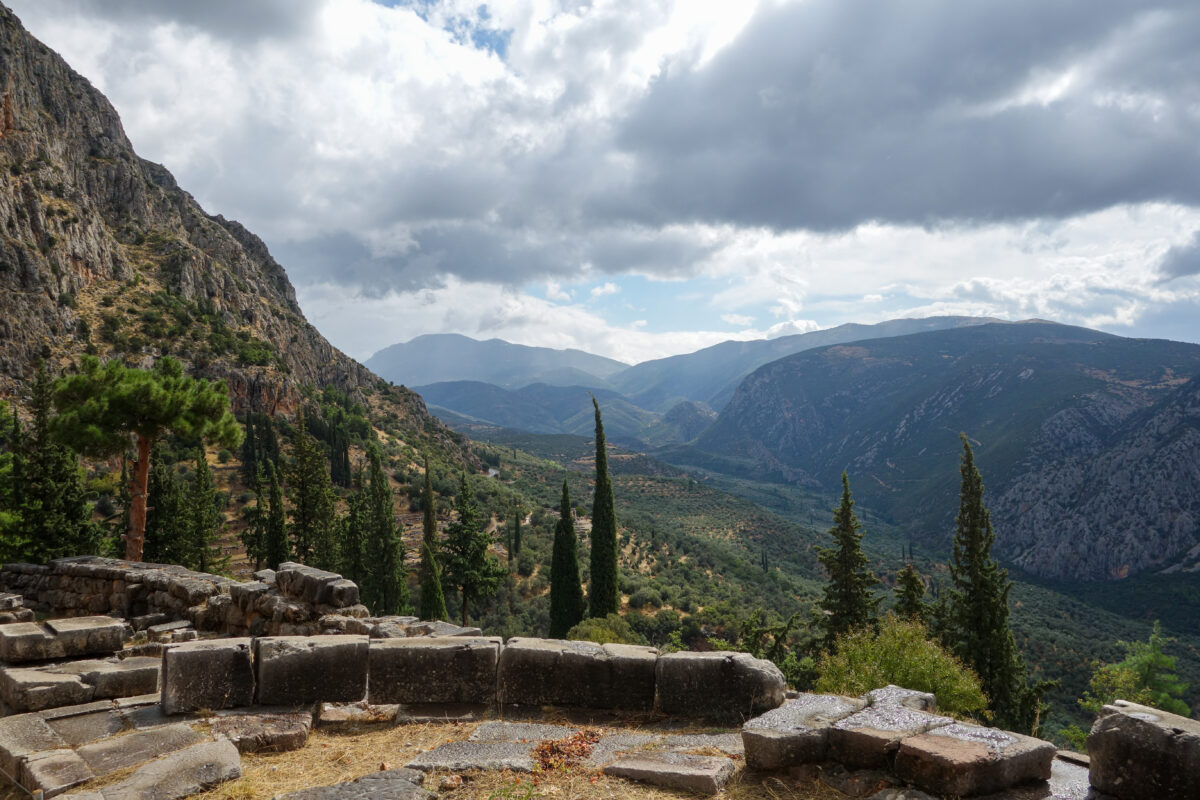
At the mountain sanctuary of Delphi, students analyzed how the ancient world explained natural phenomena.
“The trip to the Oracle was quite interesting to me, specifically the way that prophecies were received,” said biology major Sophia Kroll ’27. “I found it fascinating that they used the toxic geological gases trapped in the cave to bring about these prophecies, compared to other cultures, where prophets tended to be epileptics, or use plants.”
Contemporary Research in Thessaloniki
After spending six days immersed in Southern Greece, the group traveled north to Thessaloniki, giving students a firsthand look at Greece’s regional diversity while connecting ancient heritage to modern practice.
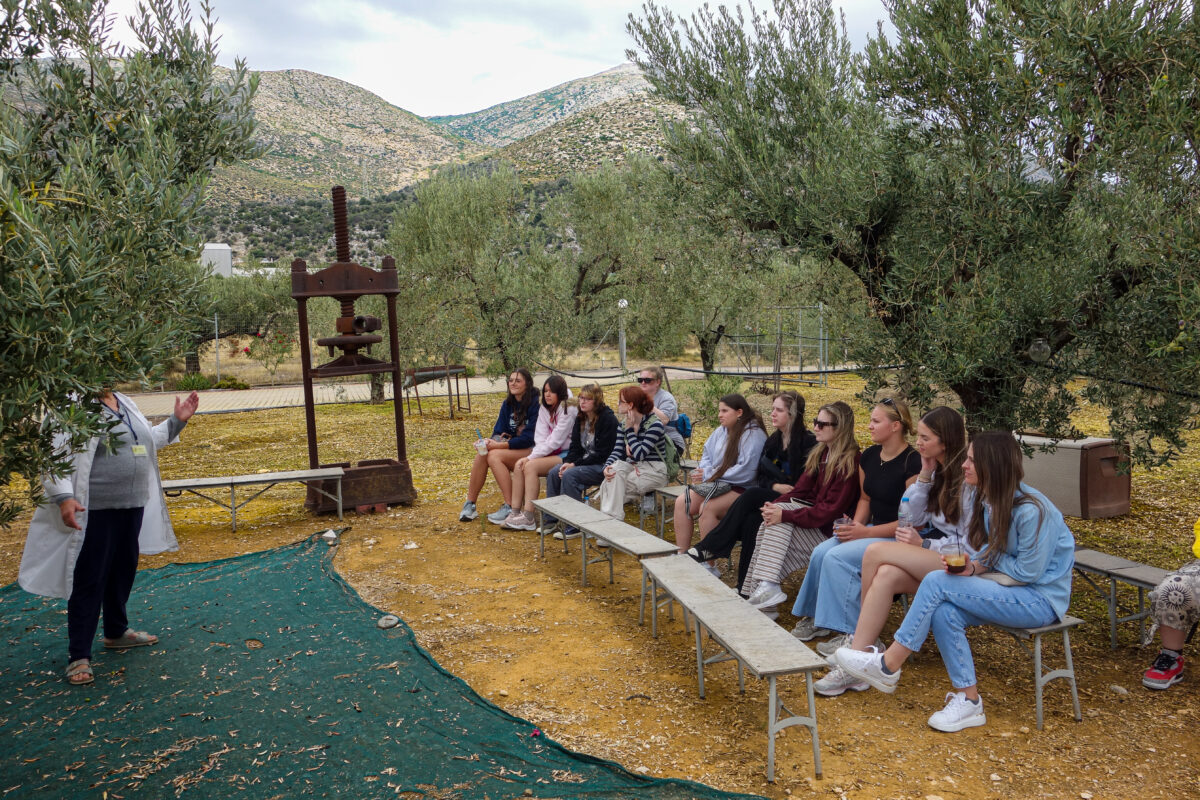
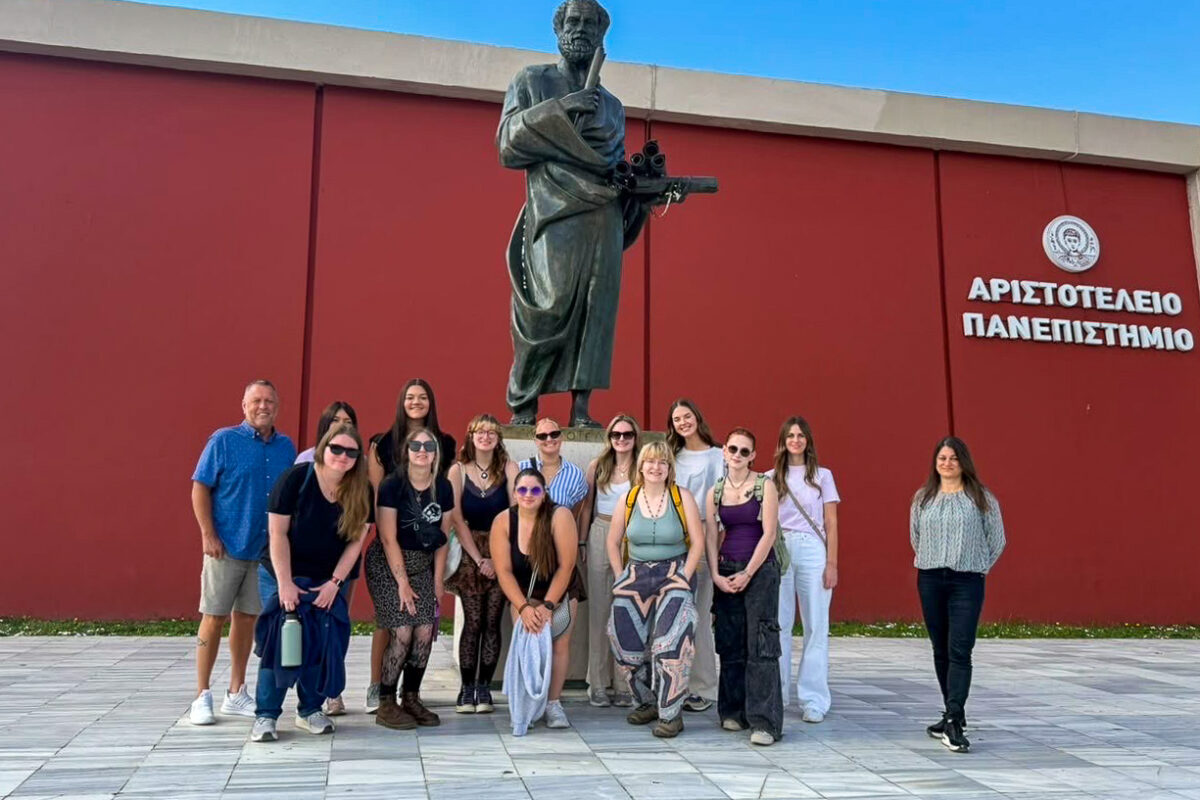
The cohort visited the School of Biology at Aristotle University of Thessaloniki and spent significant time at the American Farm School, an internationally recognized institution advancing research in agriculture, food science, and animal welfare.
“I really liked how the American Farm School operated,” said pre-vet, biology Student Claire Mohan-Ram ’27. “I found their research and work with European animals very fascinating. I also appreciated that they didn’t have just one rigid pathway–students who don’t want to work with livestock can focus on olive oil or wine production instead.”
For Trinity Wigginton ’26, a pre-vet student with an equine studies minor, seeing agricultural science applied internationally was an eye-opening experience.
“The American Farm School especially stuck out to me because we got to talk about the specific research they do and how that research affects the world around them and the food we eat,” said Wigginton. “It was mind-opening getting to experience another country while seeing origins of known science that are so much older than anything here in America.”
Guided by Personal Mentorship
Traveling with Dr. Boftsi, who was born and raised in Greece and earned her undergraduate biology degree at Aristotle University, transformed the trip from a standard tour into an intimate, culturally immersive mentorship experience.
“As a Greek native, I was able to offer students a perspective that went beyond what they could learn from a textbook or a guided tour,” said Dr. Boftsi. “Sharing my knowledge of Greece, explaining cultural traditions, and discussing regional differences allowed us to make the experience more personal and meaningful.”
Students credited Dr. Boftsi’s guidance with helping them build cultural confidence, whether translating menus in local tavernas or practicing conversational Greek.
“Having Dr. Boftsi with us was one of the best parts of the trip,” said Wigginton. “She was so insightful and helpful navigating the cities. She was very in tune with what we all wanted to learn about, and seeing her in her element was lovely. She even helped build my confidence with speaking a new language.”
Lasting Friendships and Career Perspectives
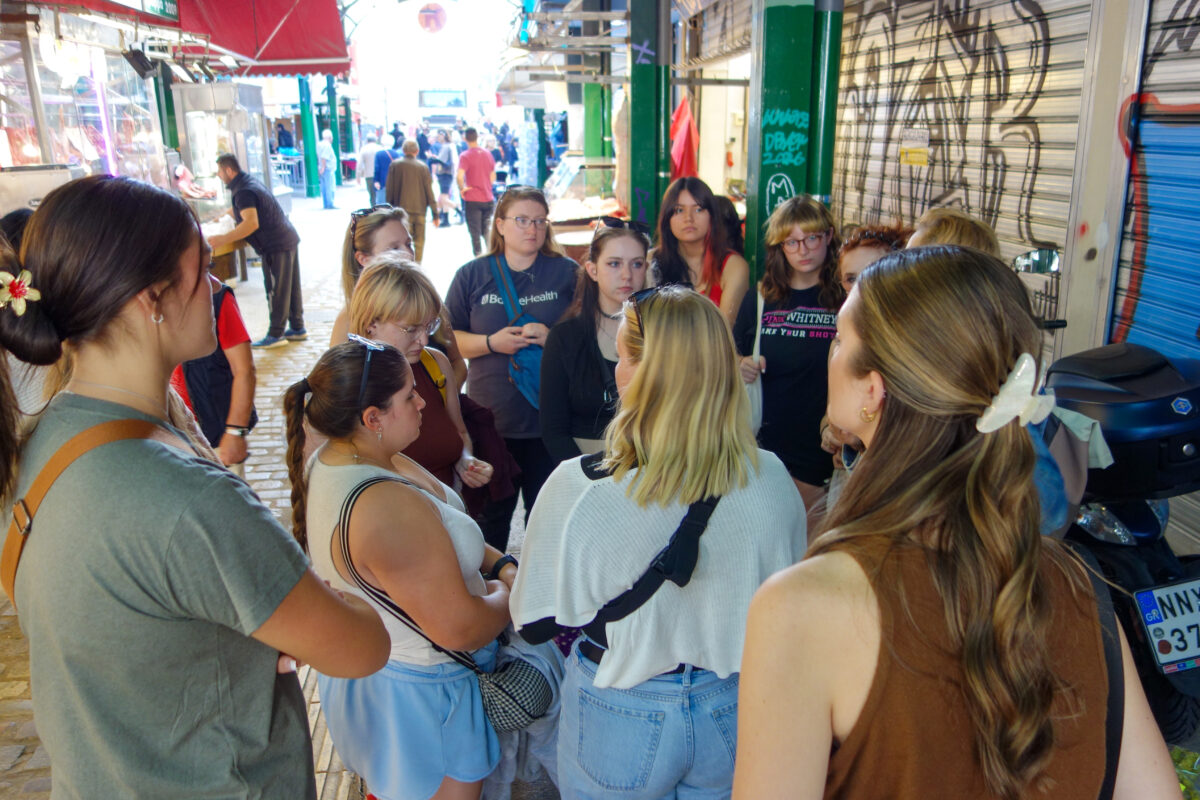
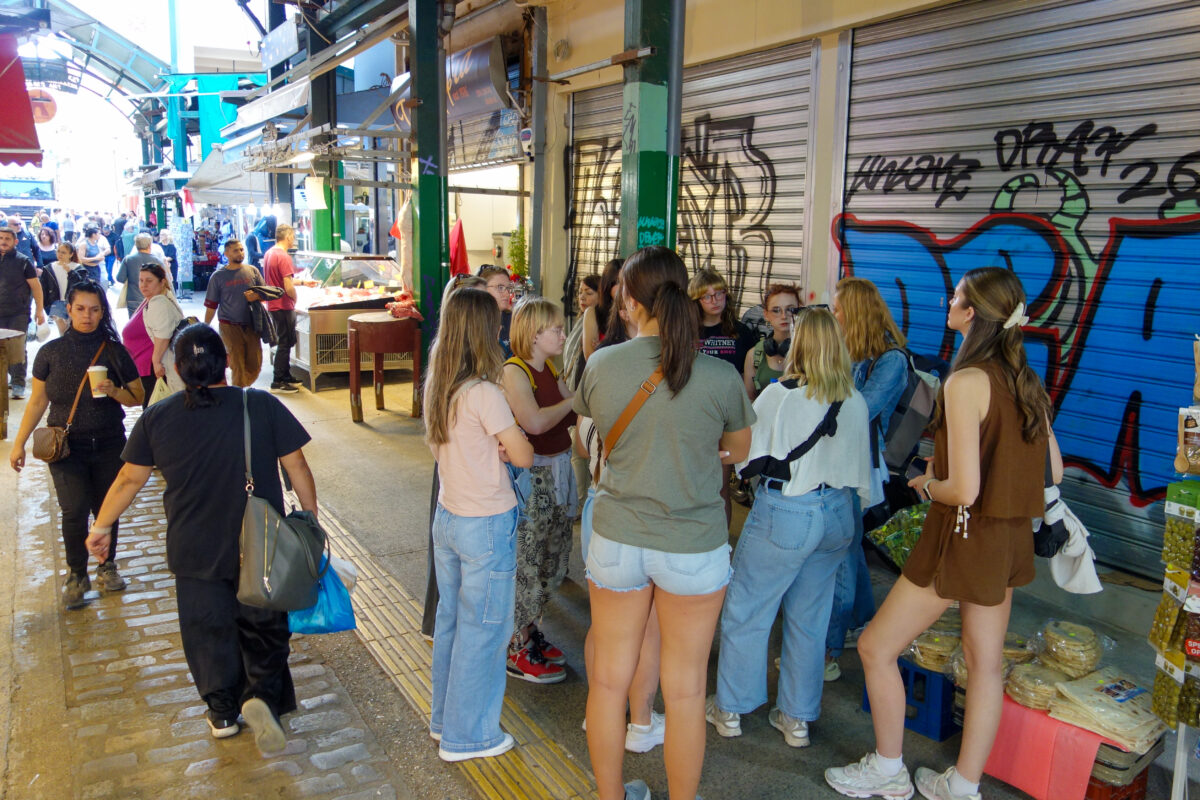
Beyond the academic itinerary, students engaged in cooking classes, walked historic markets, and formed deep connections with peers across academic disciplines.
“Study abroad is definitely worth it,” Mahan-Ram said. “Being able to hear from historians and archaeologists gives you a world of knowledge you might never have learned. You also gain lifelong friends. There were people I knew from class but had never really spoken to, and since traveling together we have all become great friends.”
Kroll advised future travelers to take full advantage of every moment: “It was much more engaging and meaningful to be taught by someone who lives in the culture, and to be surrounded by it while we learned. Bring a water bottle, portable batteries, a camera, and plan out your off-the-clock excursions beforehand.”
For Wigginton, the experience underscored the value of global study for STEM students.
“Our field of study doesn’t take us out of the country often, so it’s important to see science out in the real world in another country,” Wigginton said. “It expands your perspective of what others are doing and what you could also do in the future.”
More about Stephens Study Abroad Program
Dr. Boftsi’s class was part of a larger delegation of 24 Stephens students who traveled together to Greece. While the biology cohort investigated the roots of Western science, medicine, and philosophy, Dr. Kaneshya Lucas’s business group explored women in leadership, examined through a global lens.
Stephens College takes pride in its Cross-Cultural Experiences and Study Abroad opportunities, which combine rigorous academic study with immersive international experiences that complement students’ major coursework and career goals. Opportunities range from full semester abroad to summer programs spanning four to eight weeks, as well as intensive two-to three-week block courses.
Scholarships funded by Stephens College donors make opportunities like this Cross-Cultural Experience affordable and accessible to all students.
More information on available scholarships and the Stephens College Cross-Cultural Experiences can be found here.
Donations to support scholarships for Study Abroad and Study Away programs can be made to the Student Experience Fund.
Photos from the Trip