Stephens Conservatory Opens Season 79 with Spring Awakening

The Stephens College Conservatory for the Performing Arts officially raises the curtain on its 79th theatrical season this weekend with the electrifying, Tony Award-winning musical, Spring Awakening, running Oct. 2-4, at the historic Macklanburg Playhouse.
Marking the first production of the 2026-2027 season, the show sets a high-stakes, ambitious tone for the Conservatory. Based on Frank Wedekind’s groundbreaking 1891 German play–with music by Duncan Sheik and book and lyrics by Steven Sater–the rock musical follows nineteenth-century adolescents navigating emerging adulthood, identity, and desire within an intensely repressive society.
“The show explores what happens when young people are denied truthful conversations about their own lives and the adults they are becoming,” said director Craig Carnelia, an acclaimed Broadway veteran and adjunct acting faculty member at Stephens. “The composer and lyricist created a thrilling, rambunctious and visceral score out of that frustration. Our students have completely immersed themselves in doing serious and beautiful work.

High-Energy Rehearsals with Safety at the Center
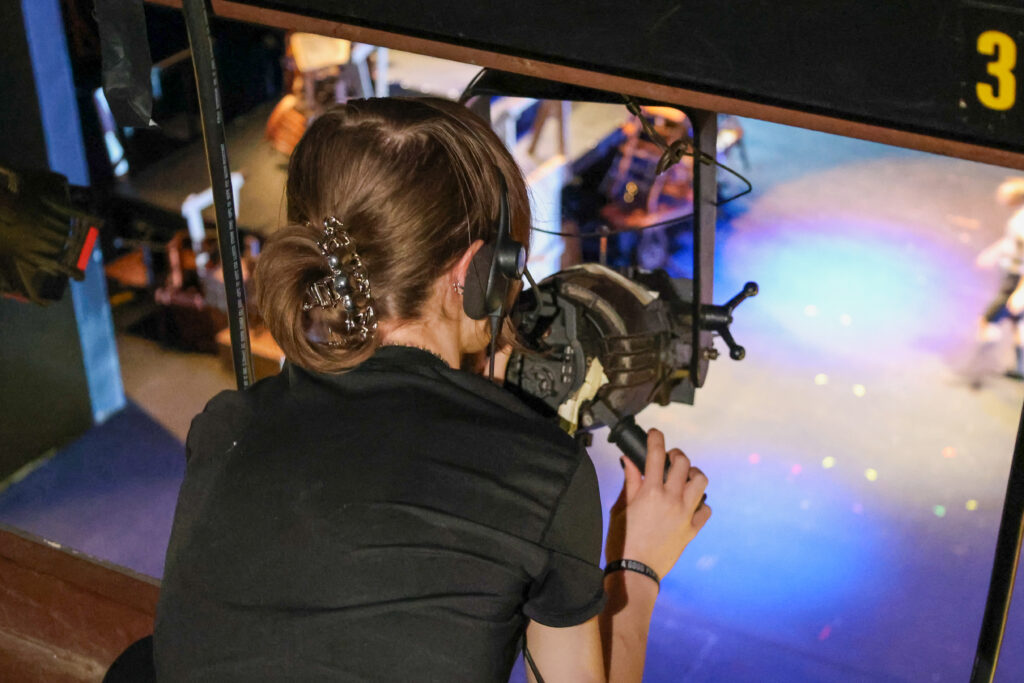
Rehearsals across Macklanburg Playhouse are wrapping up after several weeks of rigorous training, planning and preparing. Over the past three weeks, the cast has moved from learning the script to fine-tuning transitions and choreography into full run-throughs and technical integration. Backstage, student crews built an astonishing set, while the costume designers completed fittings and alterations to bring a well-rounded, immersive show to the stage.
Because Spring Awakening tackles intense adult themes including domestic trauma, adolescent sexuality and the fatal consequences of miseducation, the production team has made physical, mental and emotional safety its top priority.
The Conservatory brought in professional Intimacy Director Jenise Cook from Kansas City to establish industry-standard intimacy and consent protocols directly with the cast.
“Intimacy direction isn’t about restricting actors; it’s about giving them the freedom to take bold artistic risks within clear, repeatable boundaries,” said Cook. “When students learn that physical touch on stage is choreographed with the same precision as a dance routine or a stage combat sequence, the fear disappears. They can pour their full emotional energy into the characters knowing their boundaries are protected.”
Student Performers credit this structured environment with giving them the confidence to perform vulnerable material on stage.
“There has been such an intentional emphasis on safety- not just physical safety, but emotional and mental safety,” said Violeta Cuevas, a third-year musical theatre major who portrays Martha. “Working with Jenise and our directors taught us about ‘fences and gates.’ You learn how to make the staging technical and repeatable while openly vocalizing personal boundaries.”
Isaac Bullis, a second-year musical theatre major playing the central role of Melchior Gabor, emphasized the importance of faculty support when rehearsing and performing mentally and physically demanding material night after night.
“We rehearse under standard Equity rules, including closed rehearsal rooms for sensitive scenes,” Bullis said. “When you’re dealing with heavy themes night after night, it takes a toll. But what’s great is that I’ve been able to ask Craig, our director, for a one-on-one talk to help me deal with something in my real life that parallels something in the show, and he helped me work through how to separate real life versus fake. Our accompanist, Travis McFarlane, even gave me some sheet music for the piano so that I had something to do to decompress after rehearsals, so the faculty, staff and crew have really gone out of their way to make sure we all feel supported.”
Pre-Professional Training that Builds Real Skills for the Real World
The production exemplifies the Conservatory’s rigorous three-year, two-summer intensive model, designed to prepare students for the fast pace of the professional entertainment industry. Rather than waiting years for upperclassman status, Stephens students are treated like working professionals and take on major production responsibilities from day one.
Syona Carlo, a second-year costume design major serving as assistant stage manager for Spring Awakening, noted that cross-disciplinary training creates well-rounded, empathetic theatre artists.
“At many schools, from what I’ve heard, you have to stay in the background until you’ve earned your time. At Stephens, from day one, you’re treated like a professional and a designer,” Carlo said. “Working across management, design and performance teaches you that every single person, both on stage and backstage, is working toward the same goal, to bring these stories to life.”
Bullis added that this multifaceted foundation directly enhances employability after graduation: “If you know how to do scene shop work and backstage technical aspects alongside singing, dancing and acting, your employment opportunities–especially on national tours–skyrocket.”
Performance Schedule and Ticket Information
Content Advisory: This production contains mature themes including sexual content, abuse, teen pregnancy, suicide, self-harm, and strong language. Viewer discretion is advised. Recommended for 16+
Spring Awakening runs Oct. 2–4 at the Macklanburg Playhouse on the Stephens College campus.
Tickets are selling fast for this opening weekend run. To purchase tickets, visit the Stephens College box office online or buy them at the Macklanburg Playhouse box office before showtime.