Training for a Second Chance: Inside Stephens’ Paws for Performance Event
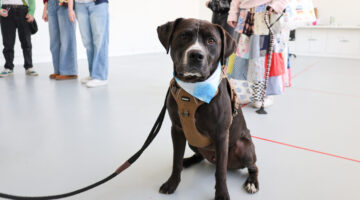
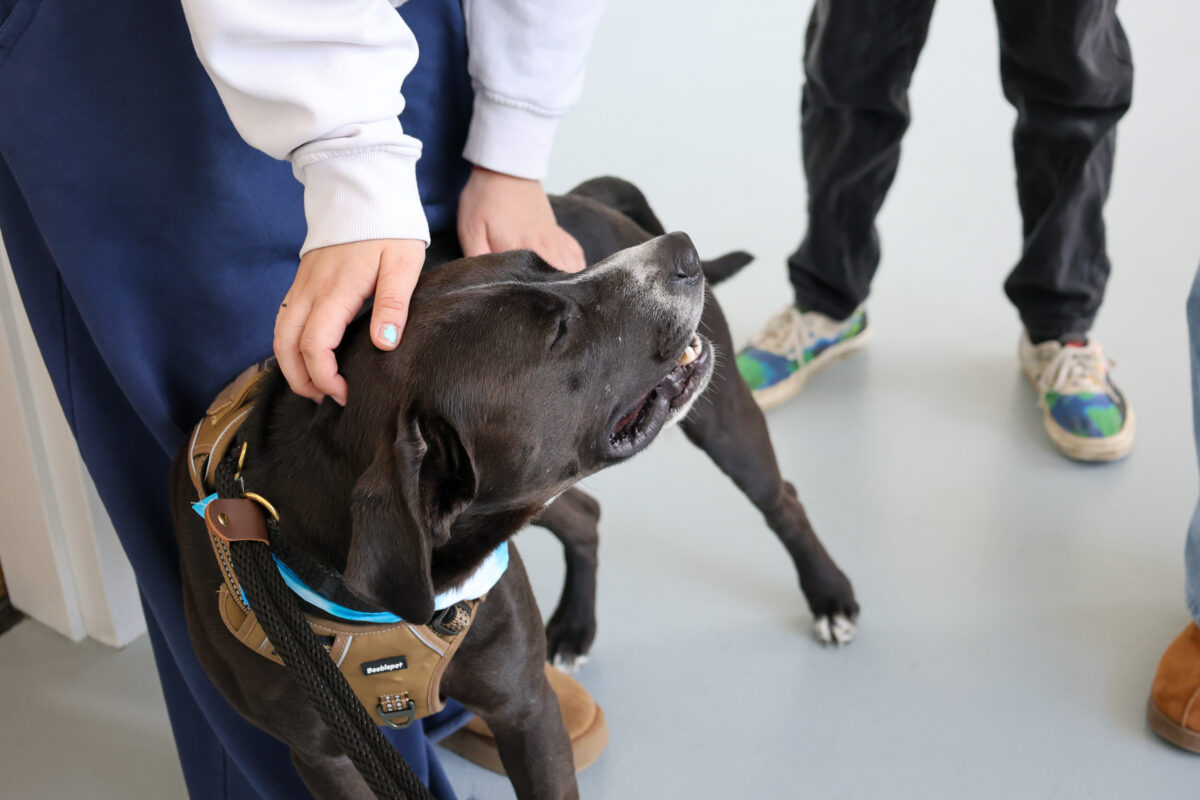
Students in the Animal Training Course at Stephens College got to showcase their skills and help foster dogs find their forever homes during Saturday’s ‘Paws for Performance’ event.
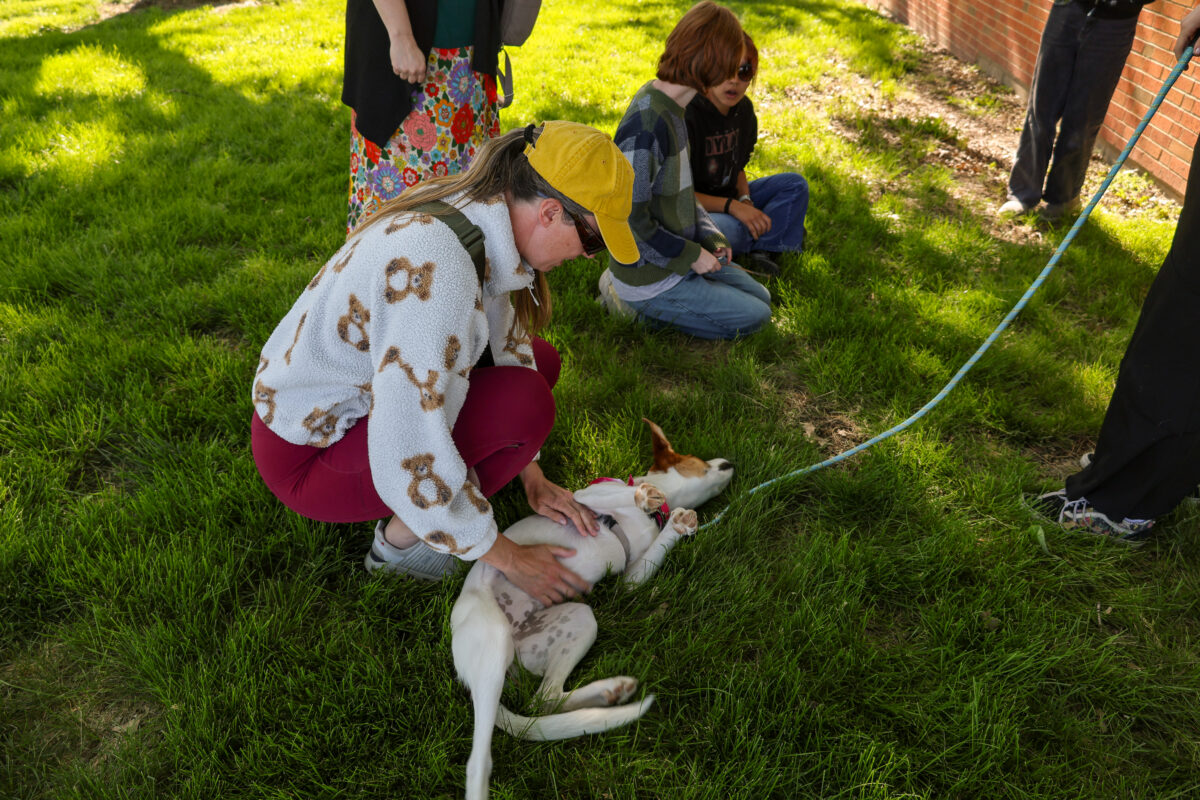
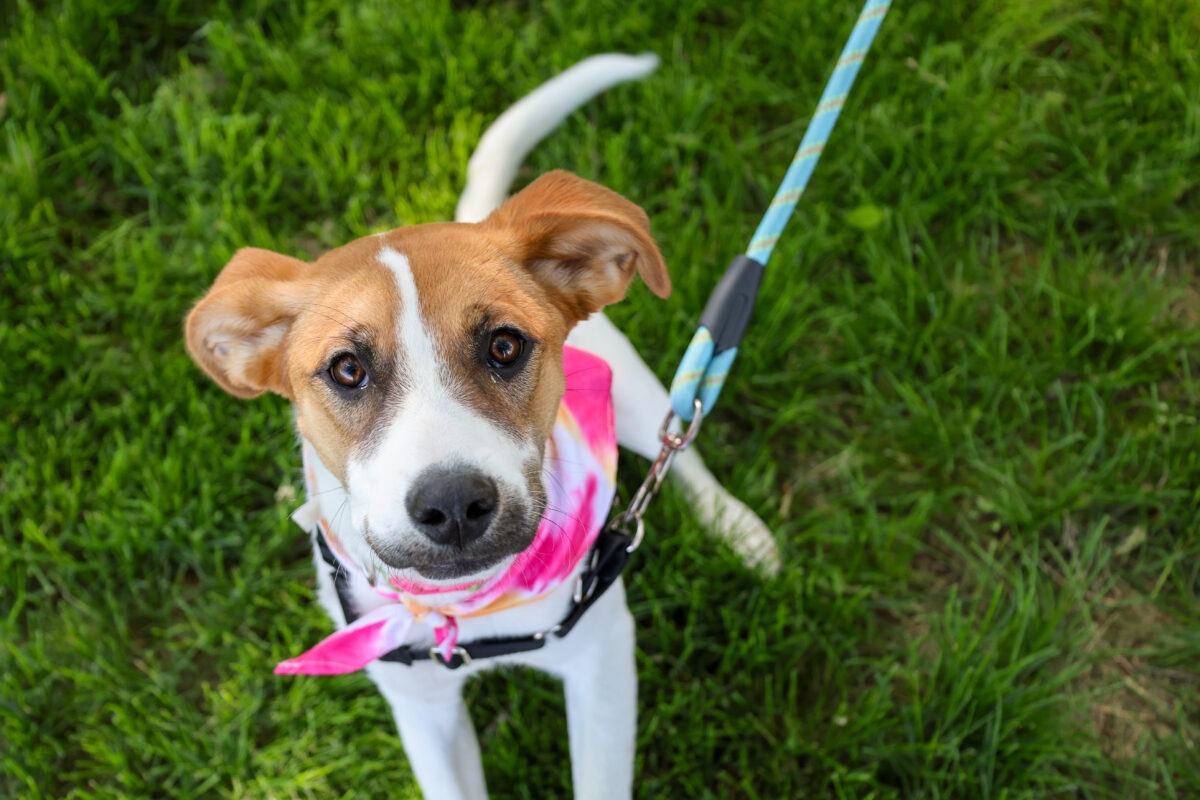
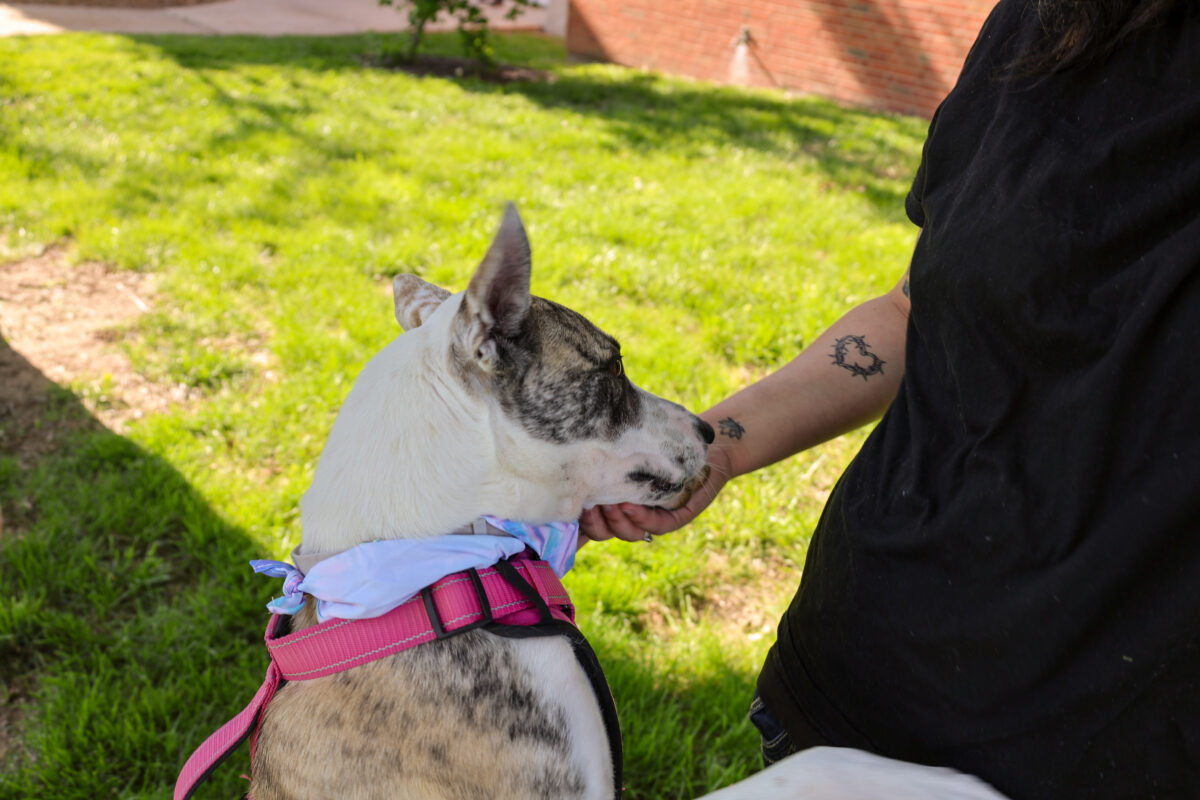
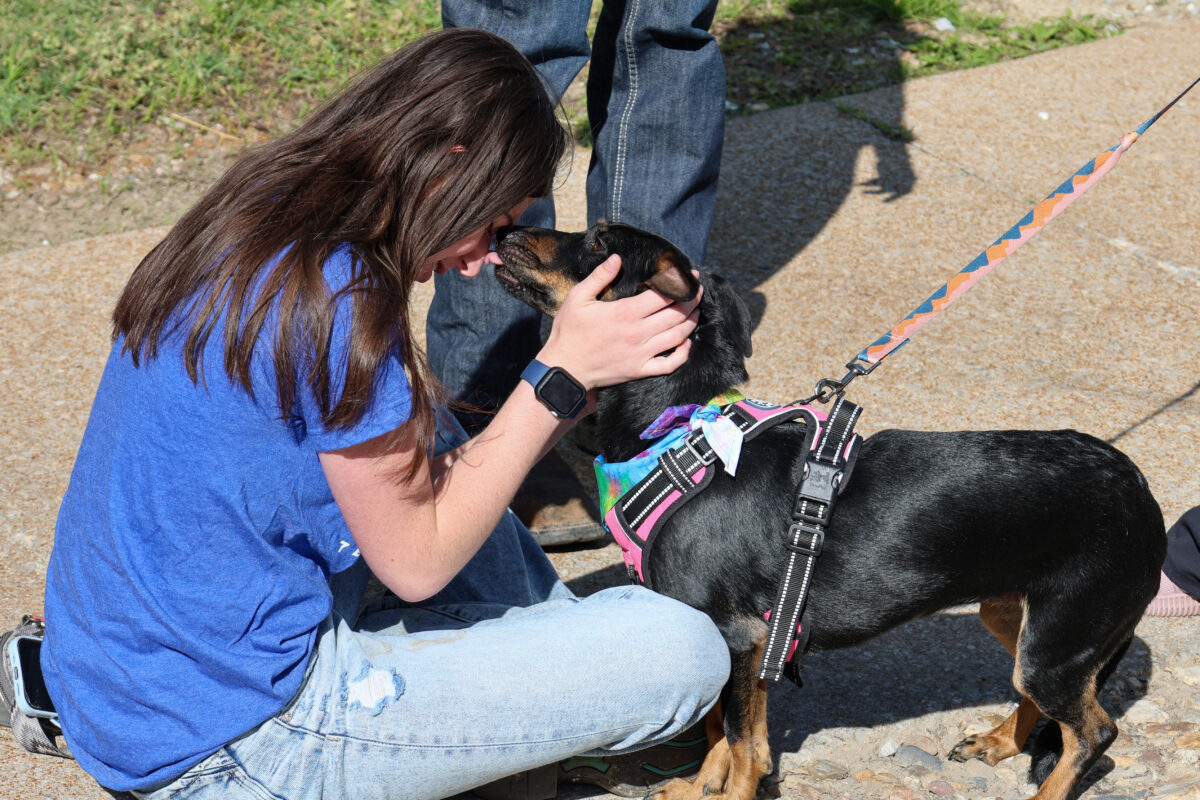
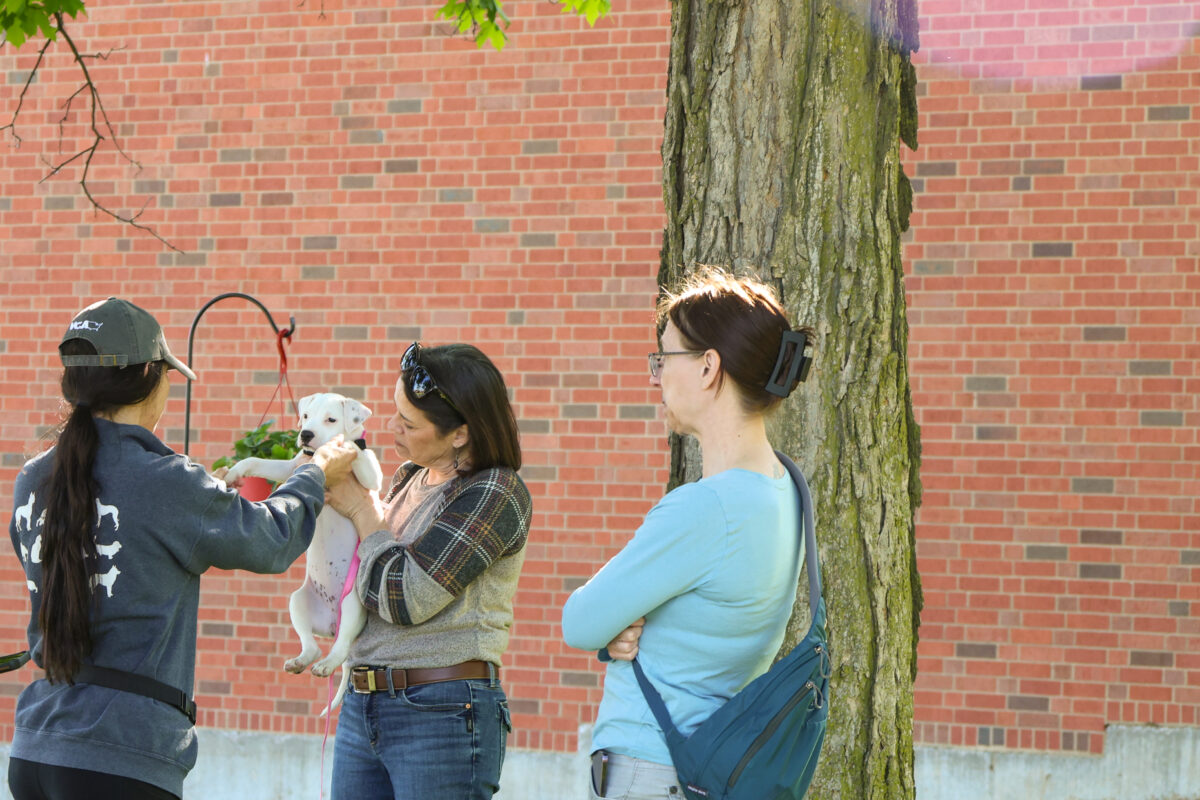
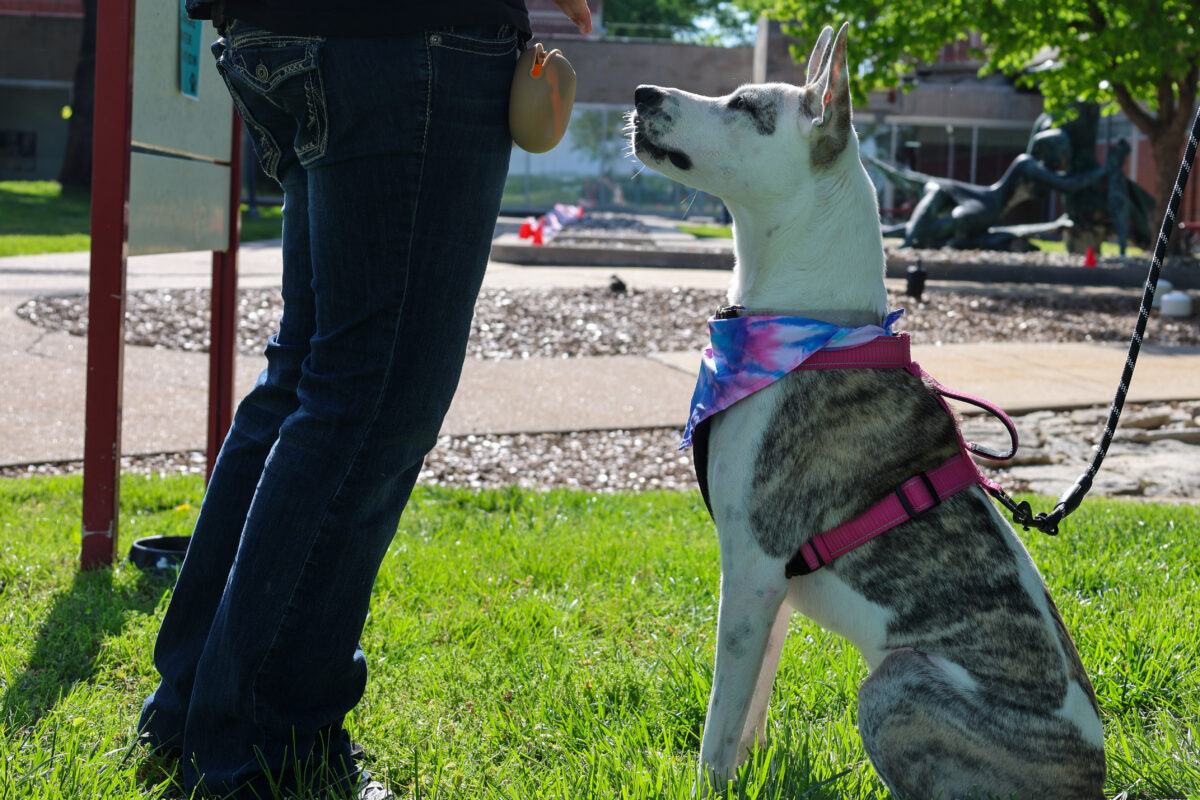
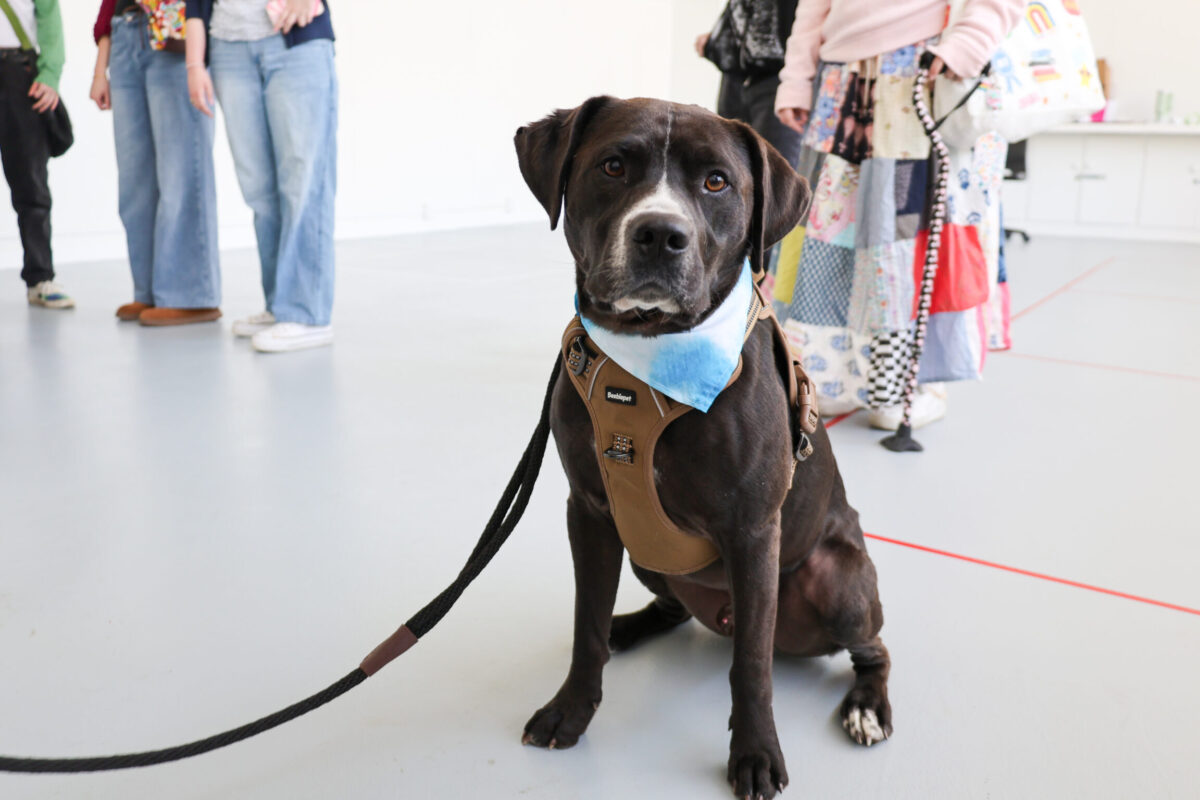
Nine students partnered with five foster dogs from Columbia Second Chance to prepare them for adoption through positive reinforcement training. Focusing on behaviors such as calm greetings, loose-leash walking, and basic cues, students worked to make each dog more adoptable.
More than just a Class Project
For students, this wasn’t just an assignment; it was hands-on, experiential learning in practice.
“We had about two weeks of training, working with them pretty much every day,” said Ronnie Buman, a junior in the Animal Behavior program. “We focused on all the skills that make them a little more adoptable.”
Each dog came in at a different starting point. Some struggled with jumping or pulling on the leash, while others arrived more hesitant and unsure. Over time, through consistent positive reinforcement, students were able to reshape those behaviors into something future adopters could more easily recognize as “home ready.”
“Every single dog is adoptable,” said Buman. “Sometimes people just see one behavior and decide it’s took much-but behavior can be shaped.”
Small Moments, Big Changes
For many of the students, the transformation they witnessed over just a short period of time was the most impactful part.
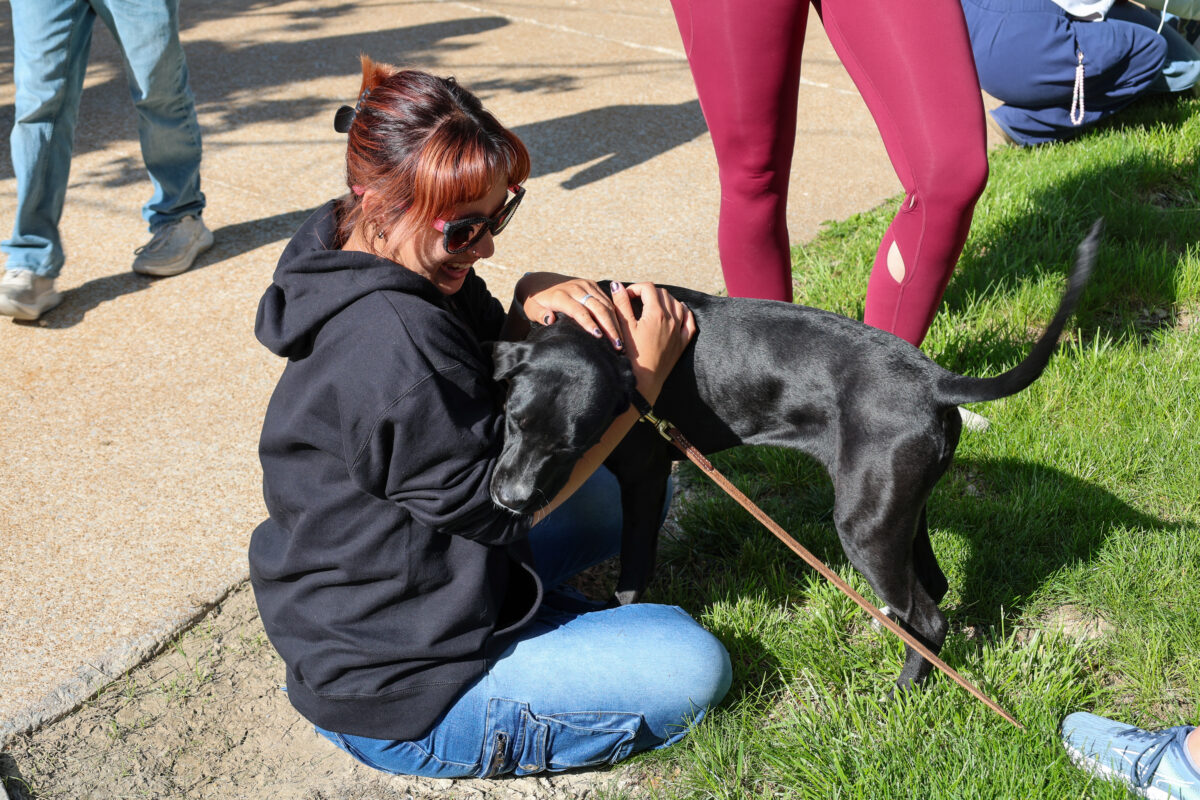
Buman recalled one of the dogs – Lady, who arrived visibly anxious, hesitant and unsure, with her tail tucked between her legs.
“She wouldn’t really engage at first,” said Buman. “So, we just let her exist without asking anything of her.”
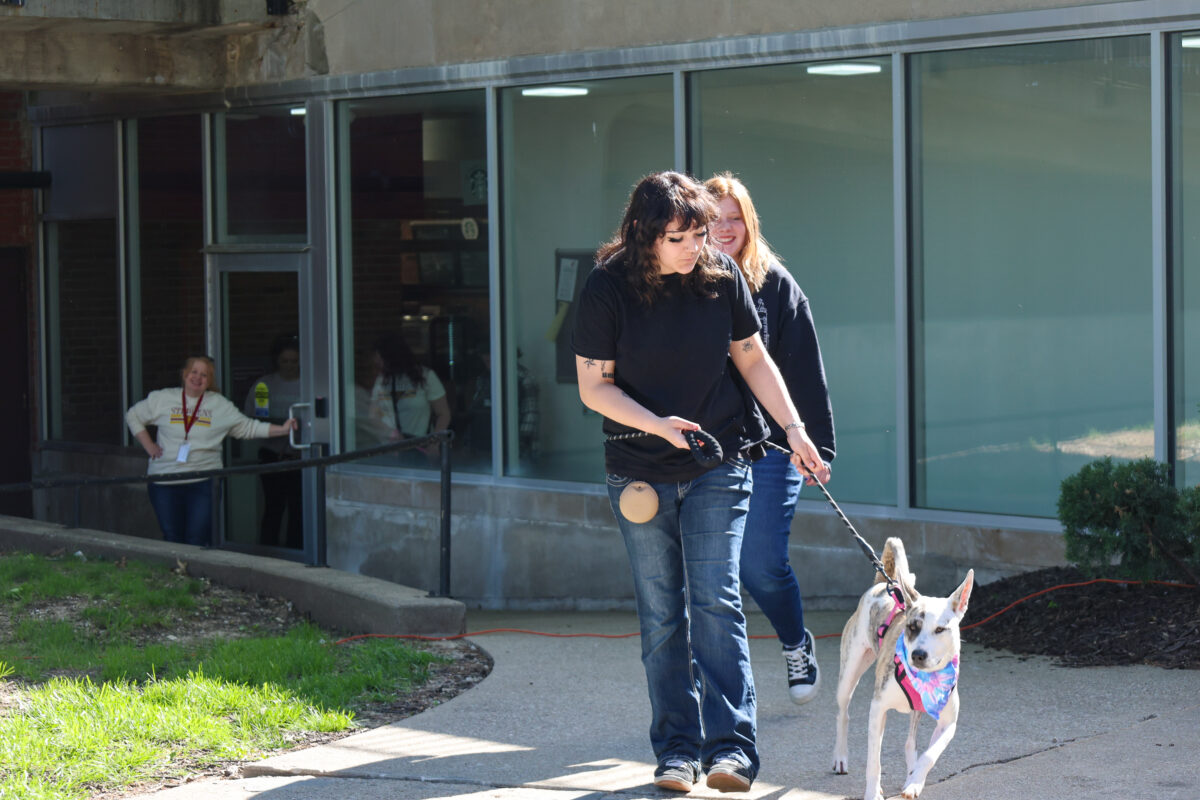
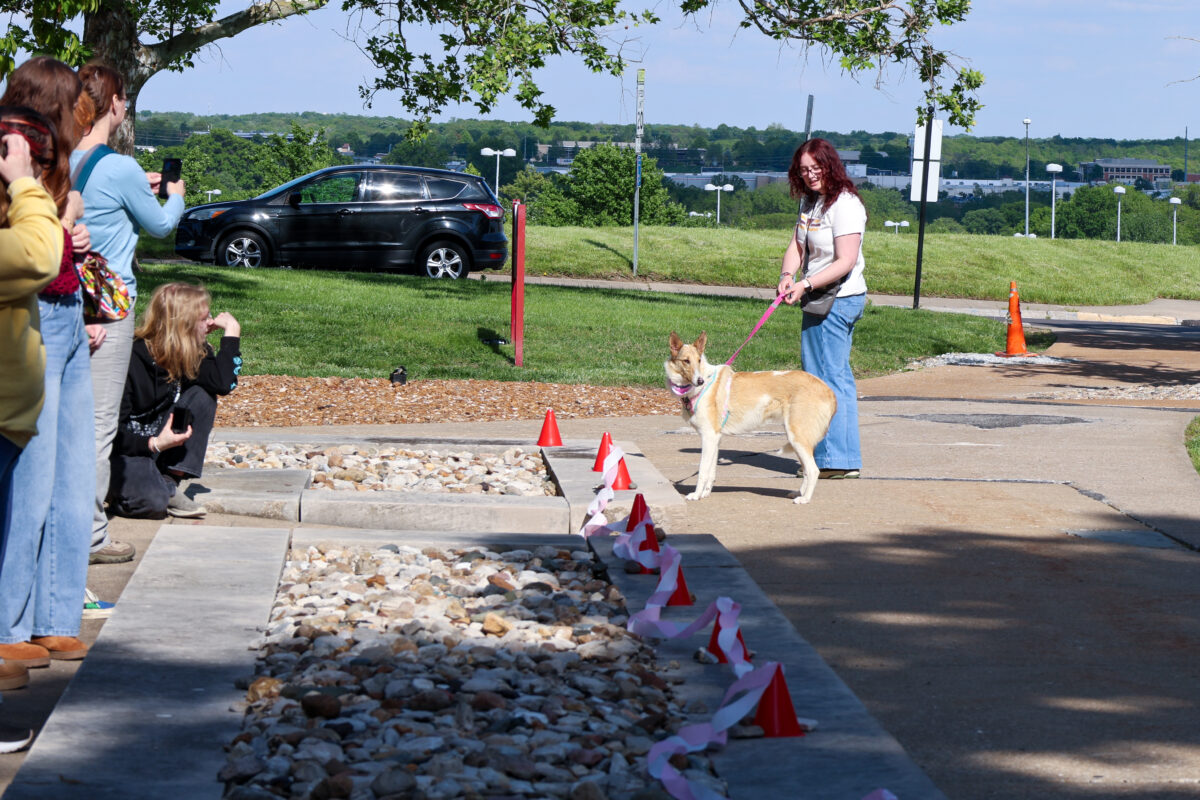
That patience paid off. Slowly, Lady began to trust her handlers, gaining confidence day by day. By the time of the event, she was walking through a crowd of strangers with her tail wagging.
“I don’t think we would have seen that two weeks ago,” said Buman.
Moments like that were everywhere throughout the afternoon. Dogs who once jumped now sat calmly, and dogs who were ones hesitant of people, now approached with curiosity.
Learning in Real Time
The structure of the course is what makes those changes possible.
Students begin with the foundational concepts, like classical and operant conditioning, and immediately put those theories into practice.
“We can start with the theories in the book,” said Jill Villarreal, Ph.D., Chair of Animal Behavior & Psychology, “but then students are planning sessions, problem-solving, and adapting in real time.”
Each student worked through multiple training sessions, adjusting techniques based on what worked and what didn’t. The goal was not perfection, but progress.
“I just think it’s great to actually have the opportunity to work with the dogs,” said Sophomore Ayla Coke. “When I was looking for programs, I knew I wanted to go somewhere that offered more than just reading the information out of a book.”
A Community Effort
The event also brought the community into the experience.
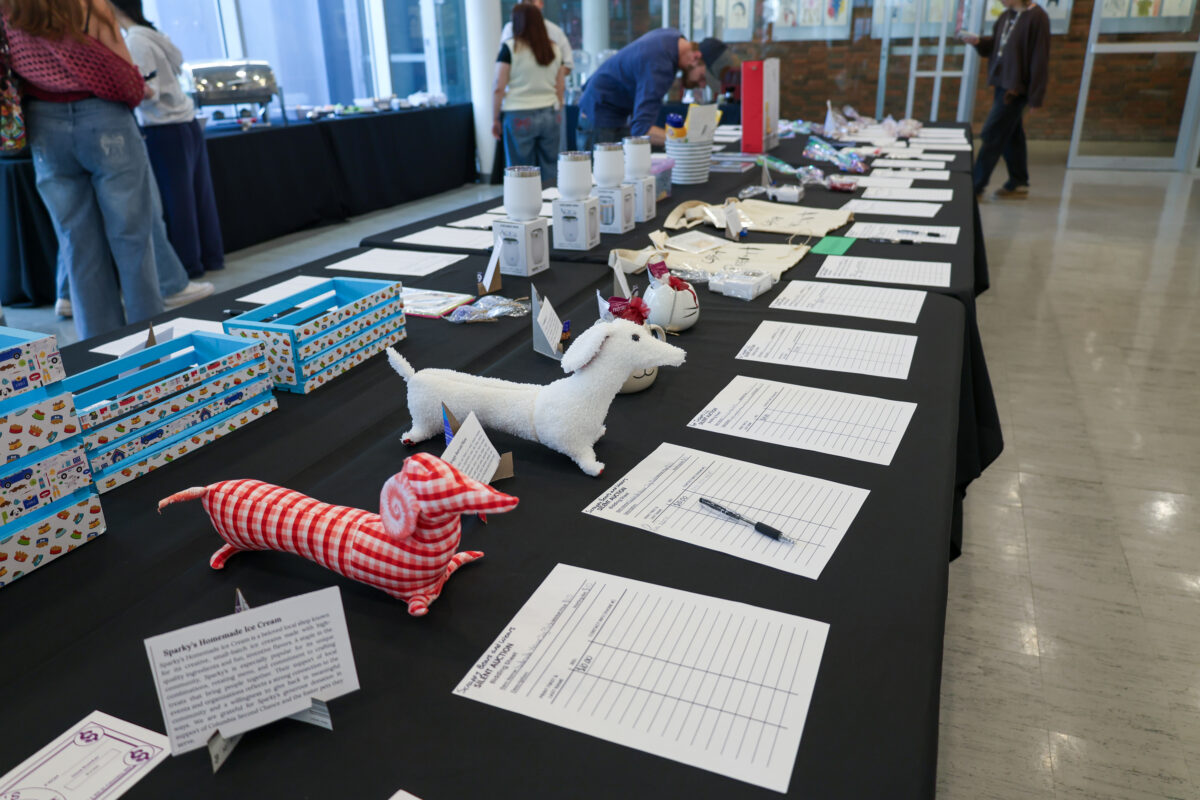
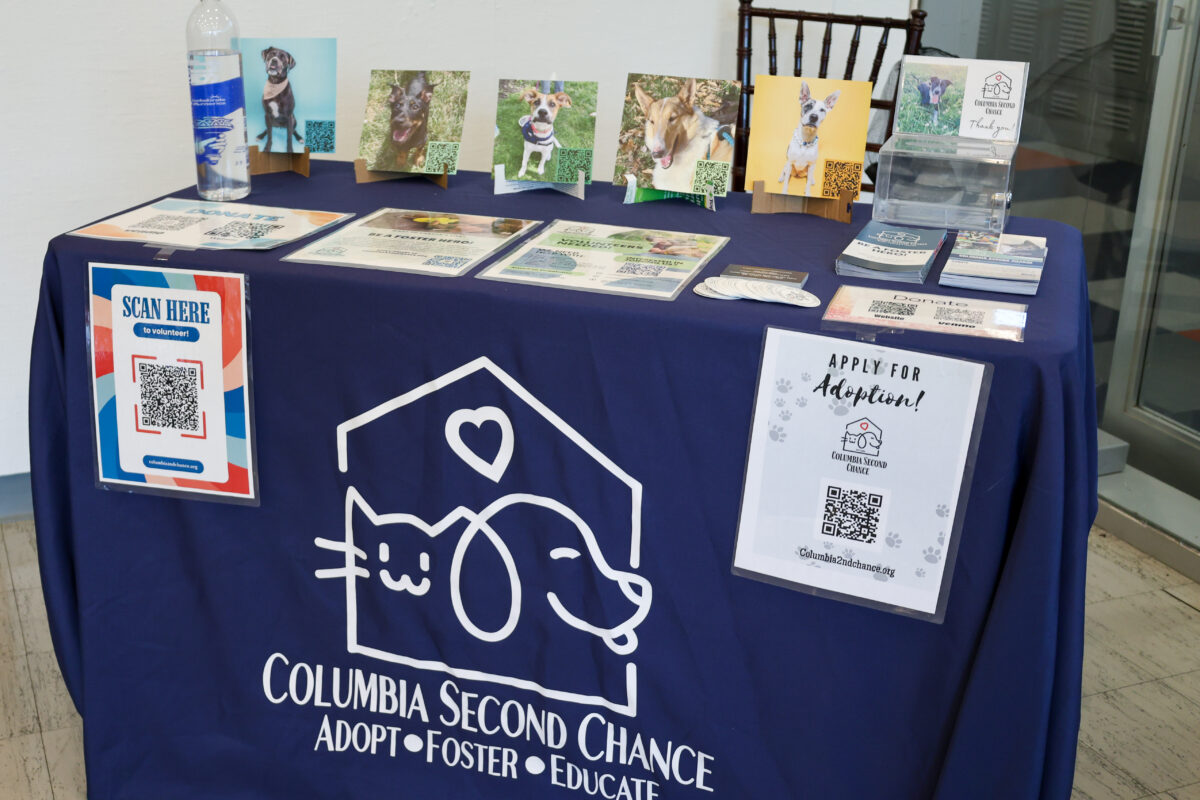
A silent auction gave guests the opportunity to browse donated items ranging from handcrafted artwork by local artisans to gift cards and handmade goods. Donation stations and QR codes were set up throughout the Davis Art Gallery, with all proceeds benefiting Columbia Second Chance and its foster animals.
By the end of the event, the silent auction and donations raised $845 for Columbia Second Chance—funds that will go directly toward caring for pets in need.
“We’re just so grateful,” said Villarreal. “When you’re raising money to help animals, people really want to be part of that.”
Alongside her classes, Buman has an ongoing internship at Columbia Second Chance and helped run the show from behind the scenes. Villarreal credits Buman for playing a key role in managing logistics and coordinating the event, adding another layer of real-world experience to the course.
Why It Matters
For students like Buman, opportunities like this are part of what makes Stephens different.
“I don’t think there are a lot of colleges that can do this,” said Buman. “We’re so connected to the community, and we actually get to do the work—not just study it.”
That hands-on approach doesn’t just benefit students—it directly impacts the dogs.
“I’m glad that we were able to help work through some of the traits that people find less desirable,” said Coke. “It’s great to see how far the dogs have come in just a short amount of time.”
By the end of the event, each dog had not only demonstrated new skills but also something harder to measure confidence.
Looking Ahead
While Paws for Performance marked the first event of its kind, both students and faculty hope it won’t be the last.
“I really want this to continue,” Buman said. “This is the kind of work I want to do in my career.”
For those who missed the event but are still interested in adopting, students encourage taking the next step—whether that’s adopting, fostering, or simply learning more.
“Choose the dog that feels right for you,” said Coke. “Not just the one that looks perfect—and don’t give up on them. They can learn.”
Columbia Second Chance is a privately funded, nonprofit shelter with a goal of rescuing animals. The shelter is always looking for donations, volunteers and foster parents.
More information on how you can help can be found here.