Bringing Animal Science to Life
Inside Stephens’ Animal Behavior Program
What happens when animal behavior, science, and real-world experience collide? You get Stephens College’s Animal Enrichment course — where learning goes way beyond lectures and straight into hands-on, career-ready experiences.
Over the past two weeks, students didn’t just study animal welfare — they lived it. Through guest experts, behind-the-scenes insights, and an immersive site visit, they explored how science, research, and animal care come together in real careers.
Learning from the Pros
Students connected with leading voices in animal behavior and welfare through live Zoom sessions, getting an inside look at what it’s really like to work in the field.
- Dr. Eduardo J. Fernandez from the University of Adelaide shared how behavioral science can improve the lives of animals in zoos, aquariums, and even our homes. His work showed how research turns into real change for animals.
- Dr. Charles Ritzer, an Animal Welfare Scientist at Brookfield Zoo Chicago, walked students through his journey from undergrad research to zoo-based science. He even talked about using drones and 3D tech to study how animals use their habitats— yes, science can be that cool.
- Eli Baskir from the Saint Louis Zoo wrapped things up by showing how data, observation, and enrichment all work together to guide animal care decisions. His advice on internships, mentorship, and collaboration hit home for students thinking about their own career paths.
Why the Block Makes Learning Better
At Stephens, students take one class at a time for 18 days, and that focus makes experiences like this possible.
“Students can really dive in without distractions,” said Dr. Jill Villareal, Chair of the Animal Behavior and Psychology programs. “It gives them time to ask big questions, connect ideas, and see how what they’re learning translates directly into real jobs.”
Learning Beyond the Classroom
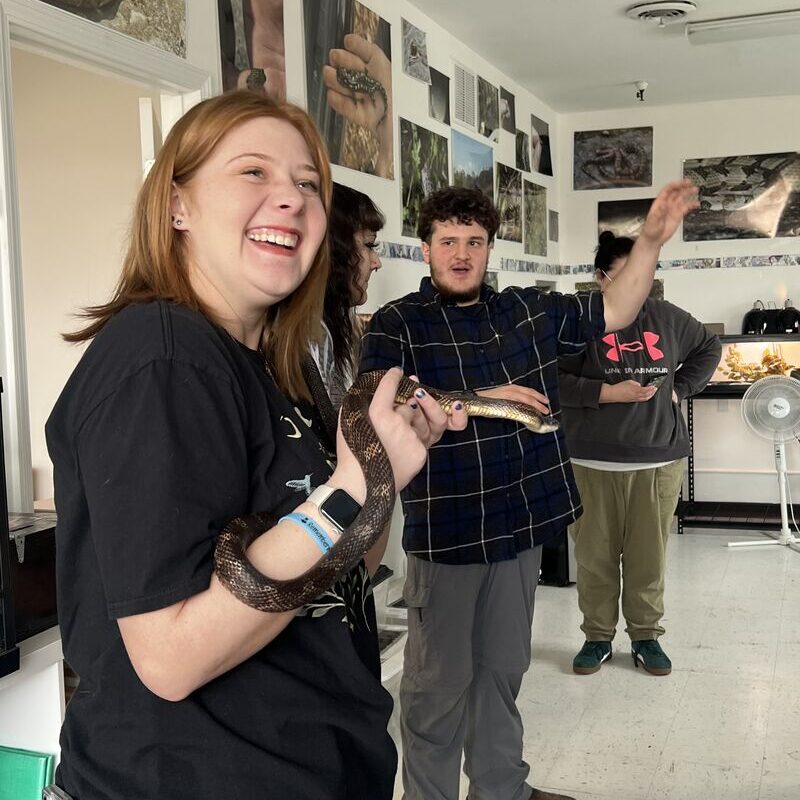
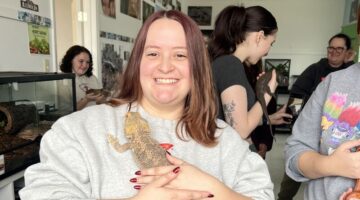
The class also took an immersive trip to MAP-STL, where students explored how environment and behavior shape animal welfare in real time. They observed reptiles, amphibians, and invertebrates—from pythons and geckos to prairie kingsnakes—while studying how enclosure design affects animal behavior.
One standout moment? Meeting Hayden, the high school student who created and runs MAP-STL’s herpetarium. His passion and leadership showed just how powerful student-driven learning can be, and how early you can start making an impact.
Turning Passion into a Career
By the end of the course, students walked away with more than knowledge; they gained clarity. They explored careers in animal behavior, welfare research, enrichment design, and applied animal care, all while building connections with professionals already doing the work.
At Stephens, learning doesn’t stop at the classroom door. It prepares you to do meaningful work, make a difference for animals, and turn what you love into a future career you’re excited about.